Description
FlyPaper Sherlock Software Review: Intelligent Investigation and Insight for Modern Digital Workflows
Summary
In a market saturated with analytics tools, monitoring platforms, and investigative software, Sherlock Download stands out by doing something many competitors fail to achieve: it turns complex data discovery into a clear, structured, and actionable experience. Designed for professionals who need to FlyPaper Sherlock free download uncover patterns, identify anomalies, and gain fast insights without drowning in dashboards, Sherlock positions itself as a smart, reliable, and adaptable investigation engine.
This review takes a practical, experience-driven look at download Sherlock software—what it does well, where it fits best, and why it has become a preferred solution for analysts, security teams, developers, and decision-makers who value clarity and precision over noise. If you are evaluating software that promises insight but delivers confusion, Sherlock is worth a closer look.
Introduction
Modern businesses generate more data than ever before. Logs, transactions, user behavior, system events, and digital footprints are scattered across platforms, formats, and timelines. The challenge is no longer collecting information—it is making sense of it quickly and accurately.
Sherlock software was built with this exact challenge in mind. Rather than positioning itself as just another analytics or monitoring tool, Sherlock focuses on investigation-first workflows. It helps users ask better questions, trace digital activity, and uncover meaningful relationships within their data.
Whether you are tracking suspicious activity, debugging complex systems, validating assumptions, or performing deep research, Sherlock provides a structured way to move from raw data to confident conclusions.
Key Features of Sherlock Software
Advanced Data Discovery Engine
At its core, Sherlock offers a powerful discovery engine that allows users to search, correlate, and analyze large volumes of structured and unstructured data. Instead of forcing rigid query logic, Sherlock adapts to how professionals naturally investigate problems.
Key capabilities include:
-
Flexible search and filtering across multiple data sources
-
Pattern recognition and anomaly detection
-
Contextual linking between related data points
-
Time-based and behavioral analysis
This makes Sherlock especially effective for investigations that evolve as new insights emerge.
Intuitive Investigation Interface
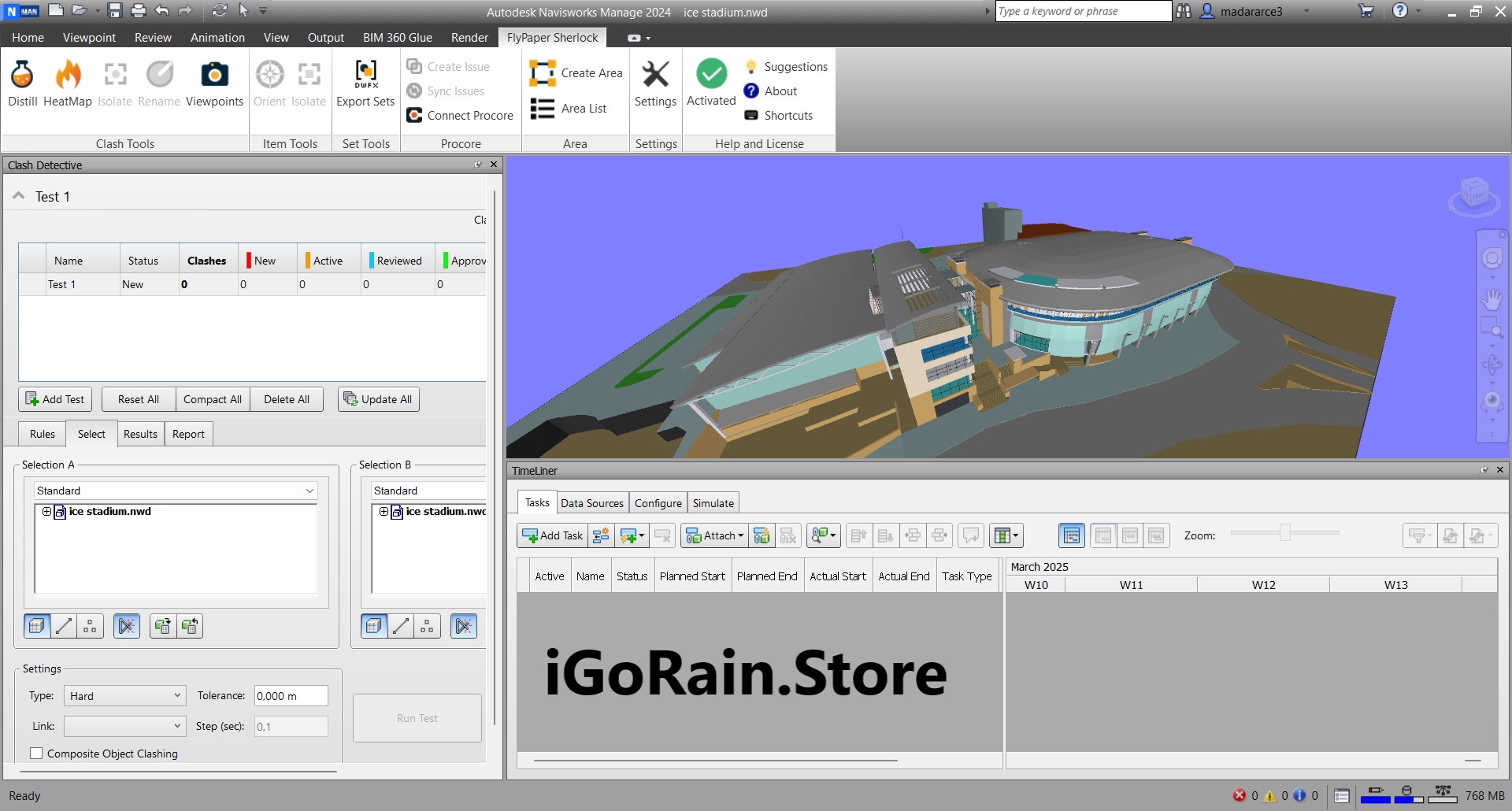
Sherlock’s interface is designed to support thinking, not distract from it. The layout emphasizes clarity, traceability, and flow, allowing users to follow investigative paths without losing context.
Highlights include:
-
Clean dashboards with minimal visual clutter
-
Step-by-step investigation trails
-
Clear visual relationships between entities
-
Customizable views based on user roles
This approach reduces cognitive overload and shortens the learning curve for new users.
Automation with Human Oversight
Sherlock combines automation with human judgment. While it can automatically surface correlations, flag irregularities, and prioritize findings, it never removes the user from control.
Automation features include:
-
Smart alerts based on behavioral thresholds
-
Automated pattern grouping
-
Investigation templates for recurring use cases
-
Assisted recommendations without forced conclusions
This balance ensures trust in the results while saving valuable time.
Secure and Scalable Architecture
Sherlock is built with enterprise-grade reliability in mind. It supports secure access controls, data integrity safeguards, and scalable performance for growing organizations.
Security and scalability benefits include:
-
Role-based access and permissions
-
Audit logs for investigations
-
High-performance processing under heavy workloads
-
Compatibility with modern IT environments
Practical Use Cases
Cybersecurity and Threat Investigation
Security teams use Sherlock to investigate suspicious activity, track threat vectors, and analyze incidents across systems. Instead of jumping between tools, investigators can follow a single narrative from detection to resolution.
Common use cases include:
-
Identifying unauthorized access patterns
-
Tracing lateral movement within networks
-
Analyzing compromised accounts
-
Supporting incident response reporting
IT Operations and System Debugging
For DevOps and IT professionals, Sherlock acts as a diagnostic companion. It helps identify performance bottlenecks, system anomalies, and root causes faster than traditional log analysis tools.
Examples include:
-
Debugging intermittent system failures
-
Investigating latency or downtime
-
Correlating logs across services
-
Validating system changes after deployment
Business Intelligence and Decision Support
Sherlock is not limited to technical teams. Business analysts and leadership teams use it to explore operational data, customer behavior, and performance metrics with greater confidence.
Typical applications include:
-
Detecting unusual business trends
-
Validating assumptions with real data
-
Investigating operational inefficiencies
-
Supporting data-driven decision making
Compliance and Audit Investigations
Organizations operating in regulated industries benefit from Sherlock’s traceability and transparency. Investigations can be documented, reviewed, and reproduced with ease.
Use cases include:
-
Internal audits
-
Regulatory compliance checks
-
Data access investigations
-
Evidence-based reporting
Performance Analysis
In real-world usage, Sherlock performs consistently well across both small-scale and enterprise-level deployments. Its responsiveness remains strong even when processing large datasets, thanks to efficient indexing and optimized queries.
Users frequently highlight:
-
Fast search response times
-
Minimal system lag during complex investigations
-
Stable performance under continuous usage
-
Reliable handling of historical data
More importantly, performance is not just about speed. Sherlock’s ability to maintain investigative context throughout long analysis sessions significantly improves productivity and reduces errors.
Pros and Cons
Pros
-
Investigation-focused design that mirrors real workflows
-
Clean, intuitive interface with low learning curve
-
Powerful discovery and correlation capabilities
-
Balanced automation with human control
-
Suitable for technical and non-technical users
-
Strong emphasis on transparency and trust
Cons
-
Advanced features may require initial configuration
-
Not designed for simple, surface-level analytics
-
Best value realized when used consistently
Pricing and Plans
Sherlock typically follows a tiered pricing model, allowing organizations to choose plans based on usage scale, feature requirements, and team size.
While exact pricing may vary, common plan structures include:
-
Entry-level plans for small teams or individual users
-
Professional plans with advanced investigation tools
-
Enterprise plans offering full scalability, security, and support
This flexible approach ensures Sherlock remains accessible while scaling effectively with business growth.
Final Verdict
Sherlock software succeeds because it understands a simple truth: investigation is not just about data, it is about thinking clearly. By prioritizing context, usability, and intelligent discovery, Sherlock delivers a platform that feels like a partner rather than just a tool.
It is particularly well-suited for professionals who need to move beyond dashboards and into real understanding—whether in security, operations, analytics, or compliance. While it may not be the simplest tool on the market, its depth and clarity make it a strong long-term investment for serious users.



Reviews
There are no reviews yet.