Description
Trnsys 18 Review 2026: A Powerful Simulation Platform for Energy Systems and Sustainable Building Design
Trnsys 18 remains one of the most respected simulation platforms for engineers, researchers, and energy consultants who need accurate modeling of thermal systems, renewable energy technologies, and high-performance buildings. Unlike simplified energy calculators, Trnsys provides a highly flexible environment capable of simulating complex interactions between HVAC equipment, solar energy systems, district heating networks, and building envelopes under real-world operating conditions.
For professionals involved in designing net-zero buildings, evaluating renewable energy projects, or optimizing energy efficiency strategies, Trnsys offers an advanced yet customizable framework that supports detailed system analysis. Its modular architecture, extensive component library, and compatibility with third-party tools make it a preferred choice among universities, consulting firms, and sustainable design specialists worldwide.
This review explores Trnsys features, practical applications, performance capabilities, advantages, limitations, and licensing considerations to help determine whether it is the right simulation software for your workflow.
Introduction to Trnsys 18
Trnsys, short for Transient System Simulation Tool, is a dynamic simulation software package developed primarily for analyzing thermal and energy systems over time. It has been used extensively for decades in academic research, commercial building design, and renewable energy feasibility studies.
Unlike traditional energy analysis programs that rely on static assumptions, Trnsys performs time-dependent simulations, allowing users to understand how systems respond to changing weather conditions, occupancy patterns, equipment schedules, and energy demands.
The software is widely utilized in sectors such as:
- Sustainable architecture
- Mechanical engineering
- Renewable energy consulting
- District energy planning
- HVAC system optimization
- Research institutions
- Universities
- Smart building development
One reason many professionals continue using Trnsys is its ability to model highly customized systems that would be difficult to simulate accurately with conventional building energy software.
Key Features of Trnsys
1. Dynamic Transient Simulation Engine
At its core, Trnsys excels in transient energy simulation.
Instead of producing annual energy estimates alone, the software calculates system behavior at short time intervals, often minutes or even seconds.
Benefits include:
- Improved load analysis
- Better HVAC sizing
- Understanding peak demand periods
- Evaluating control strategies
- Seasonal performance assessments
This capability is particularly valuable for engineers designing systems that experience variable operating conditions.
2. Extensive Component Library
Trnsys includes a large collection of predefined simulation components called Types.
Examples include:
HVAC Components
- Boilers
- Heat pumps
- Chillers
- Cooling towers
- Air handling units
Renewable Technologies
- Photovoltaic systems
- Solar thermal collectors
- Wind turbines
- Battery storage
Building Components
- Walls
- Windows
- Occupancy schedules
- Lighting systems
- Ventilation equipment
Users can combine components to create highly customized energy models.
3. TRNBuild for Building Modeling
TRNBuild serves as the dedicated building modeling interface within Trnsys.
It enables users to define:
- Building geometry
- Construction materials
- Internal heat gains
- Ventilation strategies
- Occupancy patterns
- Thermal zones
Architects and building engineers appreciate the level of detail available when simulating advanced building performance scenarios.
4. Integration with Other Tools
Modern engineering projects often require interoperability.
Trnsys supports integration with several external applications and standards.
Common workflows include:
- EnergyPlus coupling
- MATLAB integration
- Excel data exchange
- CFD software interaction
- Building Information Modeling workflows
This flexibility allows engineering teams to maintain existing design processes while adding sophisticated simulation capabilities.
5. Renewable Energy System Analysis
One area where Trnsys stands out is renewable energy modeling.
Users can evaluate:
- Solar water heating systems
- Net-zero buildings
- Hybrid renewable plants
- Thermal storage systems
- Hydrogen energy applications
- Microgrid performance
Researchers often rely on Trnsys because renewable technologies behave dynamically throughout the day and across seasons.
6. Weather Data Processing
Energy simulations depend heavily on environmental inputs.
Trnsys supports detailed weather analysis through:
- Typical Meteorological Year datasets
- Measured climate data
- International weather formats
- User-generated climate scenarios
This feature enables accurate studies for projects located in various climate zones worldwide.
Practical Use Cases of Trnsys
Designing Net-Zero Buildings
An engineering consultancy working on a net-zero office building may use Trnsys to compare multiple design alternatives.
Scenarios might include:
- Triple-glazed windows
- High-efficiency heat pumps
- Rooftop photovoltaic systems
- Thermal energy storage
- Demand-controlled ventilation
By simulating annual performance, designers can identify configurations that minimize energy consumption while maintaining occupant comfort.
Solar Thermal System Optimization
A renewable energy developer planning a solar hot water installation can use Trnsys to estimate:
- Collector efficiency
- Storage tank sizing
- Auxiliary heating requirements
- Seasonal energy production
Instead of relying on assumptions, simulation results provide evidence-based decision-making.
University Research Projects
Many universities employ Trnsys for graduate-level studies.
Research topics often include:
- Smart grid technologies
- Building decarbonization
- Heat pump optimization
- District heating networks
- Energy storage strategies
Because users can create custom components, researchers can investigate emerging technologies without waiting for commercial software updates.
District Energy Planning
Cities aiming to reduce carbon emissions frequently analyze district heating systems.
Trnsys helps planners evaluate:
- Combined heat and power systems
- Thermal losses
- Distribution network sizing
- Renewable integration potential
These insights support long-term infrastructure investment decisions.
User Experience and Learning Curve
Trnsys is designed primarily for engineers and technical professionals.
New users should expect an initial learning period.
The software interface consists of several modules, including:
- Simulation Studio
- TRNBuild
- Weather Data Processor
- Output analysis tools
For experienced energy modelers, the visual connection-based workflow becomes intuitive over time.
Beginners, however, may encounter challenges such as:
- Understanding component interactions
- Configuring simulation parameters
- Managing large datasets
- Developing custom models
Fortunately, extensive documentation, academic publications, and training resources are available.
Many users report that once they become familiar with Trnsys, it offers significantly greater modeling flexibility compared to simplified energy analysis packages.
Performance Analysis
Simulation Accuracy
Trnsys is recognized for delivering highly accurate simulation results when models are properly configured.
Strengths include:
- Detailed thermal calculations
- Dynamic load prediction
- Equipment performance modeling
- Realistic control sequence simulation
Accuracy ultimately depends on the quality of input assumptions.
Projects using validated datasets can achieve results suitable for research publications and professional engineering studies.
Computational Efficiency
Simulation speed depends on project complexity.
Small building models generally process quickly.
More advanced projects involving:
- District systems
- Multi-building campuses
- Renewable hybrid plants
- Long-term energy storage
may require additional processing time.
However, Trnsys remains relatively efficient considering the level of detail provided.
Flexibility
This is arguably Trnsys’ strongest characteristic.
Users can build simulations ranging from simple domestic water heaters to sophisticated urban energy networks.
Customization capabilities often exceed those available in conventional building energy software.
Advantages of Using Trnsys
Highly Flexible Modeling Environment
Users are not limited to predefined templates.
Complex engineering concepts can be represented with precision.
Strong Renewable Energy Capabilities
Trnsys performs exceptionally well for renewable system studies.
This includes:
- Solar thermal applications
- Battery storage analysis
- Hybrid energy systems
- Heat pump performance assessments
Widely Accepted in Academia
The software has been cited extensively in scientific journals.
Researchers trust its methodology for advanced investigations.
Modular Architecture
Users can create custom components tailored to unique project requirements.
This capability makes Trnsys adaptable for emerging technologies.
Potential Drawbacks
Steep Learning Curve
Beginners may need substantial training before becoming proficient.
Interface Feels Technical
Compared to some modern simulation tools, Trnsys prioritizes functionality over visual simplicity.
Licensing Costs
Commercial licensing can represent a significant investment for small firms or independent consultants.
Organizations should assess project needs before purchasing.
Pros and Cons
Pros
- Industry-respected simulation platform
- Excellent renewable energy modeling
- Dynamic transient analysis capabilities
- Extensive component library
- Suitable for research and professional engineering
- Supports advanced customization
- Strong interoperability options
Cons
- Requires technical expertise
- Initial setup can be time-consuming
- Interface may seem outdated to new users
- Commercial licenses can be expensive
Pricing and Plans
Trnsys pricing is not always publicly standardized and may vary depending on:
- Academic licenses
- Commercial licenses
- Research institution agreements
- Training packages
- Additional modules
Educational organizations often have access to discounted licensing arrangements.
Prospective buyers are encouraged to contact authorized distributors or licensing representatives for current pricing details and deployment options.
Who Should Use Trnsys?
Trnsys is particularly suitable for:
Energy Consultants
Professionals conducting detailed building performance studies.
HVAC Engineers
Teams optimizing heating and cooling system designs.
Renewable Energy Specialists
Consultants evaluating solar and hybrid energy projects.
Researchers
Universities and laboratories investigating innovative energy technologies.
Sustainability Professionals
Organizations pursuing carbon reduction and net-zero building initiatives.
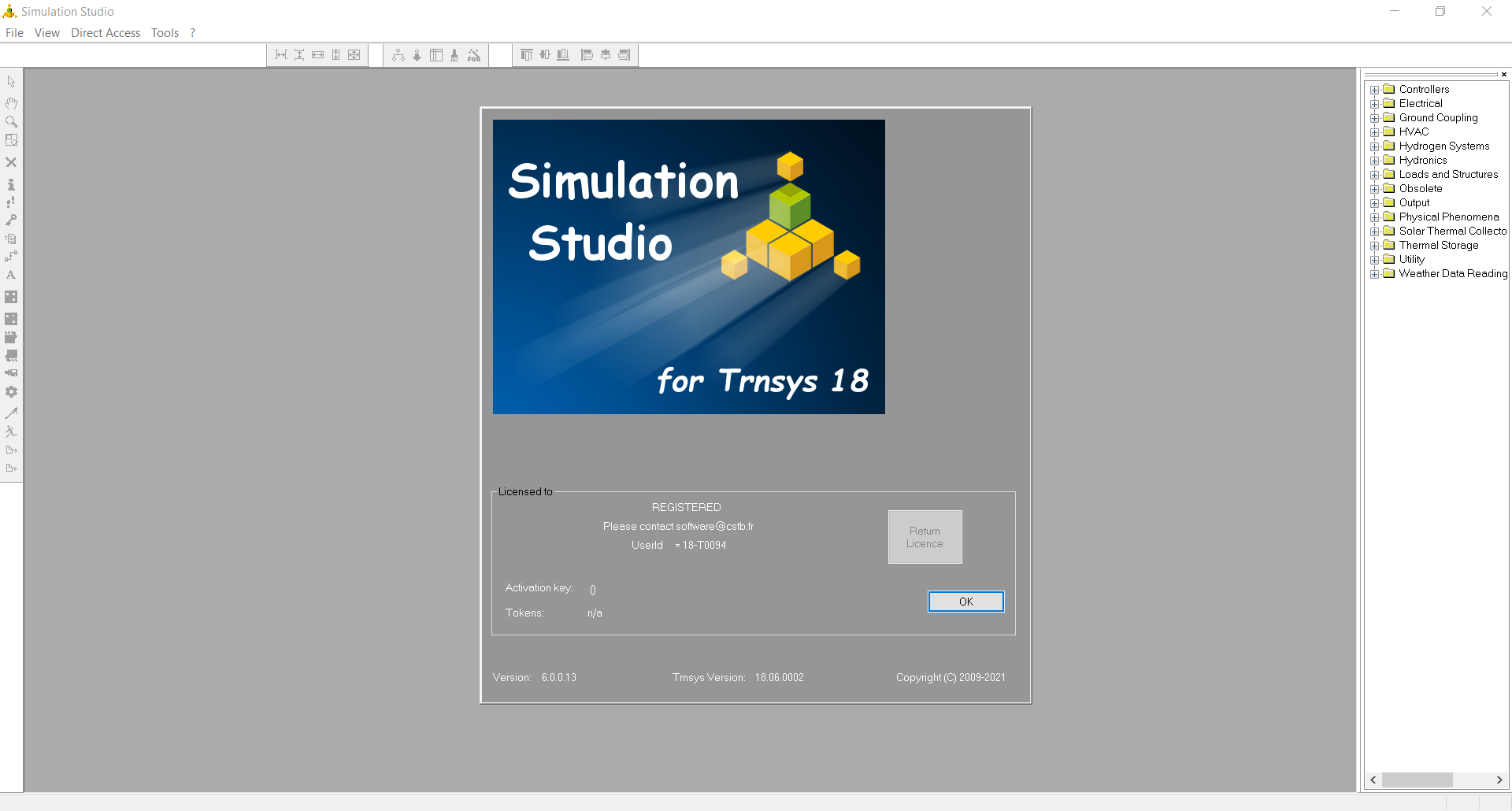
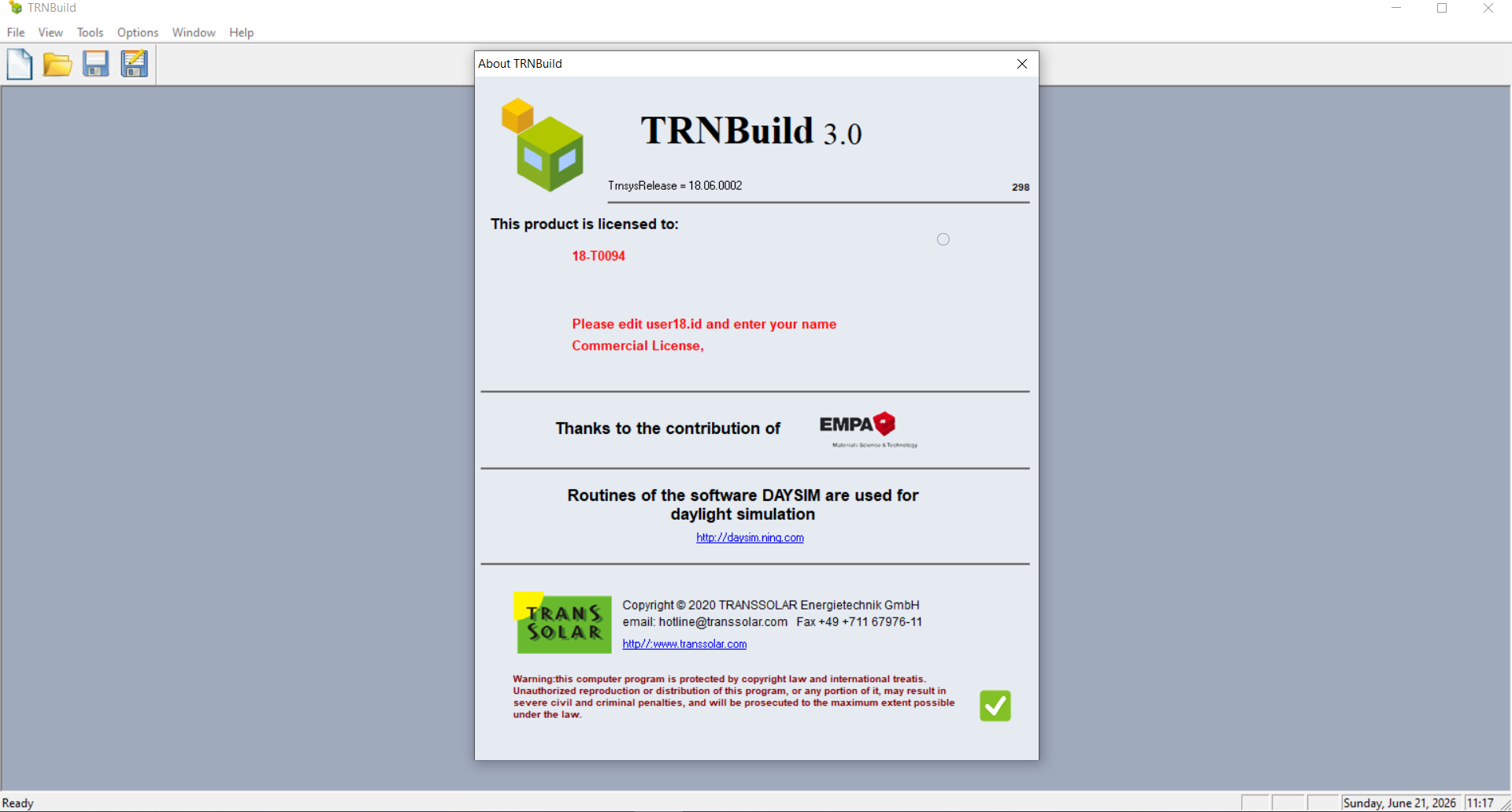
Trnsys 18 Simulation Studion and TRNBuild 3.0
Final Verdict
Trnsys continues to be one of the most capable and trusted simulation tools available for dynamic energy modeling, renewable energy analysis, and sustainable building design. Its ability to represent complex thermal interactions, customizable system configurations, and time-dependent performance makes it an invaluable resource for engineers, researchers, and energy professionals.
While the learning curve is steeper than some entry-level energy analysis applications, the depth of insight gained from detailed simulations often justifies the investment in training and implementation. For organizations seeking accurate energy performance predictions, advanced renewable system modeling, and flexible simulation workflows, Trnsys remains a top-tier solution.
Whether you are designing a net-zero building, optimizing an HVAC strategy, or researching next-generation energy technologies, exploring Trnsys can provide the analytical tools needed to make informed, data-driven decisions and improve the long-term performance of energy systems.



Reviews
There are no reviews yet.