Description
ALPHA BIM Review 2026: A Powerful BIM Solution for Smarter Building Design and Project Coordination
Quick Summary
ALPHA BIM is a specialized Building Information Modeling (BIM) solution designed to streamline architectural, engineering, and construction workflows through intelligent 3D modeling, project coordination, and data-driven collaboration. For firms seeking to reduce design conflicts, improve construction accuracy, and maintain better control over project information, ALPHA BIM offers a practical environment for managing complex building projects.
Unlike traditional CAD-based drafting methods that rely heavily on manual coordination, ALPHA BIM provides a centralized digital model where architects, structural engineers, MEP consultants, contractors, and project managers can work from a shared source of information. This integrated approach helps minimize costly errors, improve communication, and accelerate project delivery timelines.
Whether you’re designing residential developments, commercial complexes, industrial facilities, or infrastructure projects, ALPHA BIM aims to simplify every stage of the building lifecycle—from conceptual planning to construction documentation and facility management.
Introduction to ALPHA BIM
Building Information Modeling has become an essential component of modern construction practices. As projects grow increasingly sophisticated, firms require software capable of handling multidisciplinary collaboration while maintaining data consistency throughout the project lifecycle.
ALPHA BIM enters this landscape as a comprehensive BIM platform focused on helping professionals develop highly detailed building models while supporting coordination among various project stakeholders.
Instead of producing isolated drawings, ALPHA BIM allows users to create intelligent digital representations of buildings containing geometric information, material specifications, quantities, schedules, and construction details.
For companies transitioning from conventional CAD environments to BIM-based workflows, ALPHA BIM provides an opportunity to modernize project execution methods and improve overall productivity.
Key Features of ALPHA BIM
1. Intelligent 3D Building Modeling
One of the strongest capabilities of ALPHA BIM is its intelligent object-based modeling system.
Users can design:
- Walls
- Floors
- Roof structures
- Doors
- Windows
- Columns
- Staircases
- Curtain walls
- Structural elements
Each component carries embedded information that updates dynamically throughout the project.
Benefits include:
- Faster design modifications
- Improved model consistency
- Automatic drawing updates
- Reduced drafting effort
This approach significantly decreases repetitive tasks that often consume substantial design hours.
2. Multidisciplinary Collaboration
Collaboration challenges frequently delay construction projects.
ALPHA BIM addresses this issue by enabling multiple disciplines to coordinate within a unified project environment.
Teams can include:
- Architects
- Structural engineers
- Electrical consultants
- HVAC designers
- Plumbing specialists
- Contractors
- Owners
Advantages include:
- Better communication
- Fewer coordination meetings
- Reduced misunderstandings
- Improved project transparency
Changes introduced by one discipline can be reviewed and coordinated more effectively.
3. Clash Detection Capabilities
Design conflicts remain one of the leading causes of construction delays.
ALPHA BIM assists project teams in identifying potential clashes before construction begins.
Examples include:
- Ductwork intersecting beams
- Pipes passing through columns
- Electrical conduits conflicting with ceilings
- Structural members obstructing service routes
Early clash detection offers several practical benefits:
- Lower rework costs
- Fewer change orders
- Faster approvals
- Improved site efficiency
Contractors particularly benefit from resolving issues digitally rather than onsite.
4. Automatic Documentation Generation
Preparing construction drawings manually can consume significant time.
ALPHA BIM automates much of this process.
Generated outputs may include:
- Floor plans
- Elevations
- Sections
- Schedules
- Quantity reports
- Detail sheets
Whenever the model changes, associated drawings update automatically.
This feature helps maintain consistency between design intent and construction documentation.
5. Quantity Takeoff Tools
Cost estimation accuracy directly impacts project profitability.
ALPHA BIM supports quantity extraction from intelligent models.
Users can calculate:
- Concrete volumes
- Steel tonnage
- Wall areas
- Flooring quantities
- Finishing materials
- Mechanical equipment counts
Quantity takeoffs generated from BIM models often provide greater reliability than manual measurement methods.
Estimators can produce reports faster while reducing human errors.
6. Construction Visualization
Visualization capabilities help clients better understand proposed projects.
ALPHA BIM supports realistic building presentations through:
- 3D walkthroughs
- Perspective views
- Design simulations
- Construction sequencing studies
Clients who struggle to interpret technical drawings often find visual models easier to evaluate.
Improved presentations can accelerate design approvals.
7. Data-Rich Building Models
Unlike simple geometric models, ALPHA BIM incorporates extensive project information.
Examples include:
- Material properties
- Manufacturer details
- Fire ratings
- Equipment specifications
- Maintenance schedules
- Asset management data
This information remains valuable even after construction completion.
Facility managers can use BIM data for ongoing building operations.
Practical Use Cases of ALPHA BIM
Architectural Design Firms
Architects require flexibility when exploring design concepts.
ALPHA BIM allows architects to quickly modify layouts while maintaining coordinated documentation.
Typical applications include:
- Residential towers
- Housing developments
- Shopping malls
- Office buildings
- Educational institutions
Design revisions become less stressful because changes propagate automatically.
Structural Engineering Consultants
Structural teams often need close coordination with architectural models.
ALPHA BIM helps engineers develop structural systems while checking compatibility with other disciplines.
Examples include:
- Reinforced concrete buildings
- Steel structures
- Industrial facilities
- Parking structures
This integrated workflow improves engineering efficiency.
MEP Engineering Companies
Mechanical, electrical, and plumbing systems frequently occupy limited spaces within buildings.
ALPHA BIM supports detailed service coordination.
Engineers can model:
- Air handling units
- Cable trays
- Fire protection systems
- Plumbing networks
- Ventilation ducts
Clash detection reduces installation issues during construction.
Contractors and Builders
Construction firms increasingly rely on BIM to optimize project execution.
ALPHA BIM assists contractors by providing:
- Accurate material estimates
- Sequencing simulations
- Shop drawing coordination
- Site planning insights
Contractors gain better visibility into upcoming activities.
This leads to improved scheduling decisions.
Facility Management Teams
Building owners often struggle to manage extensive operational information.
ALPHA BIM provides a digital asset database containing valuable maintenance records.
Facility managers can access:
- Equipment warranties
- Inspection schedules
- Maintenance histories
- Replacement planning information
The result is better long-term asset management.
Real-World Benefits Experienced by Users
Professionals adopting BIM solutions commonly report noticeable operational improvements.
Users implementing ALPHA BIM may experience benefits such as:
Reduced Design Errors
Integrated models help identify inconsistencies before they reach construction sites.
Faster Project Delivery
Automated documentation and improved coordination can shorten design cycles.
Better Team Collaboration
Shared project information promotes transparency among stakeholders.
More Accurate Cost Estimation
Reliable quantity extraction supports budgeting and procurement planning.
Improved Client Communication
Interactive 3D models simplify project presentations.
Clients often make decisions more confidently when they can visualize spaces realistically.
Performance Analysis
ALPHA BIM generally focuses on delivering productivity improvements through model-based workflows.
Strengths
Efficient Information Management
Centralized project data reduces fragmented communication.
Enhanced Coordination
Multidisciplinary collaboration minimizes conflicts.
Automation Benefits
Documentation generation significantly decreases repetitive drafting work.
Scalability
Suitable for small firms and larger organizations managing complex developments.
Considerations
Performance may depend on factors such as:
- Computer hardware specifications
- Model complexity
- Team BIM experience
- Existing workflow integration
Organizations new to BIM methodologies should allocate time for staff training to maximize software benefits.
Pros and Cons
Pros
Comprehensive BIM Environment
Supports multiple project disciplines within a single platform.
Improved Accuracy
Automatic updates reduce documentation inconsistencies.
Clash Detection Tools
Helps prevent costly construction issues.
Quantity Extraction
Supports precise estimating processes.
Better Visualization
Enhances communication with clients and project teams.
Lifecycle Information Management
Useful beyond the design and construction phases.
Cons
Learning Curve
New BIM users may require dedicated training.
Hardware Requirements
Large projects may demand high-performance workstations.
Workflow Transition Challenges
Organizations moving from traditional CAD systems may need process adjustments.
Pricing Information May Vary
Licensing structures can differ depending on vendors and deployment options.
Pricing and Plans
At the time of writing, publicly available pricing information for ALPHA BIM may vary based on:
- License type
- Subscription duration
- Number of users
- Enterprise requirements
- Technical support packages
Potential buyers are encouraged to request customized quotations to determine the most suitable licensing arrangement for their organization.
Organizations should also inquire about:
- Trial versions
- Educational licenses
- Training programs
- Annual maintenance agreements
Is ALPHA BIM Worth Considering?
For architecture, engineering, and construction professionals seeking a modern Building Information Modeling platform, ALPHA BIM presents a compelling option.
Its emphasis on intelligent modeling, automated documentation, multidisciplinary coordination, and project data management aligns well with industry demands for greater efficiency and reduced project risks.
Companies aiming to digitize workflows, improve collaboration, and strengthen project delivery capabilities may find ALPHA BIM particularly valuable.
The software appears well-suited for firms handling increasingly complex projects where coordination accuracy and information consistency are critical success factors.
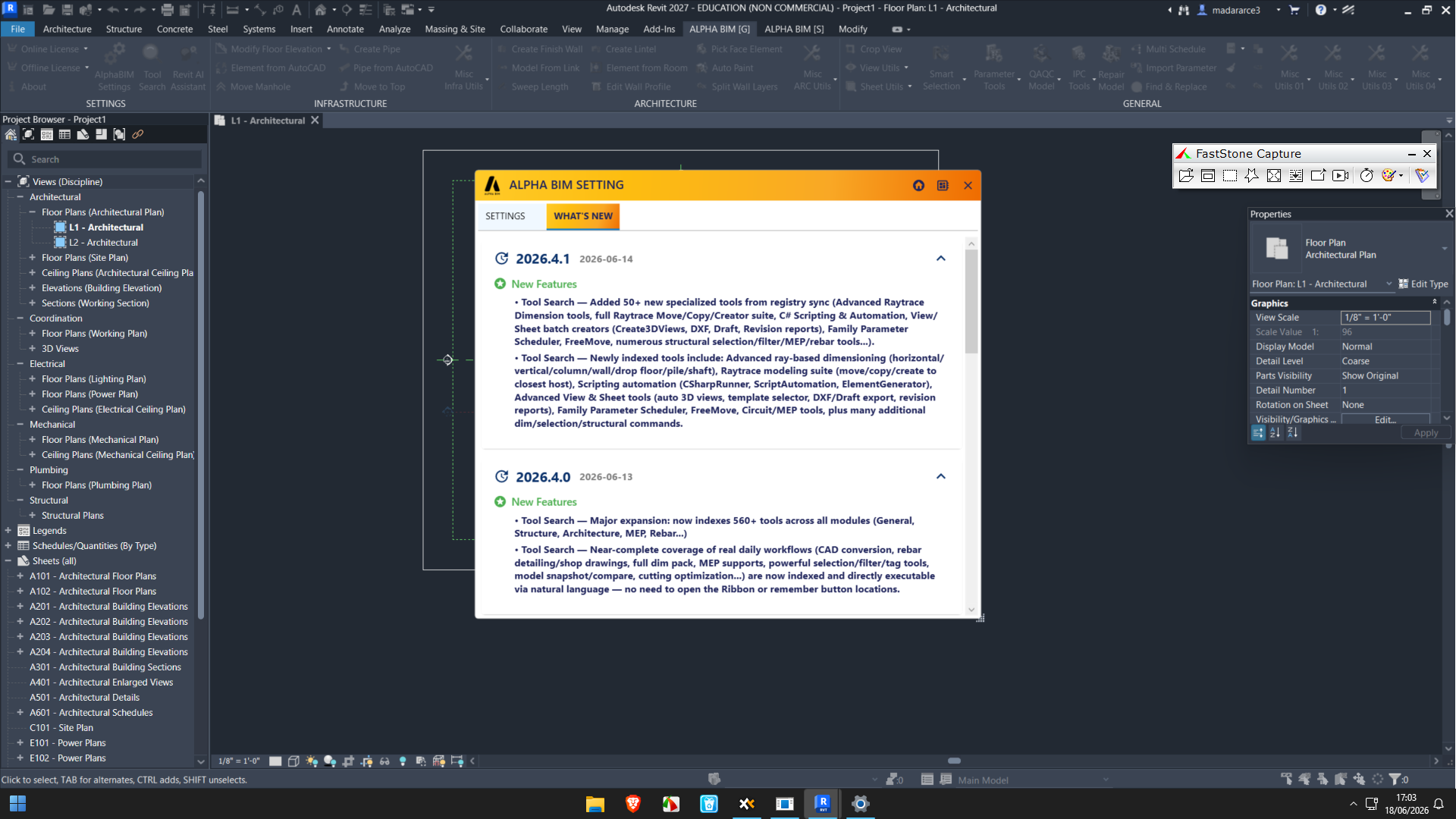
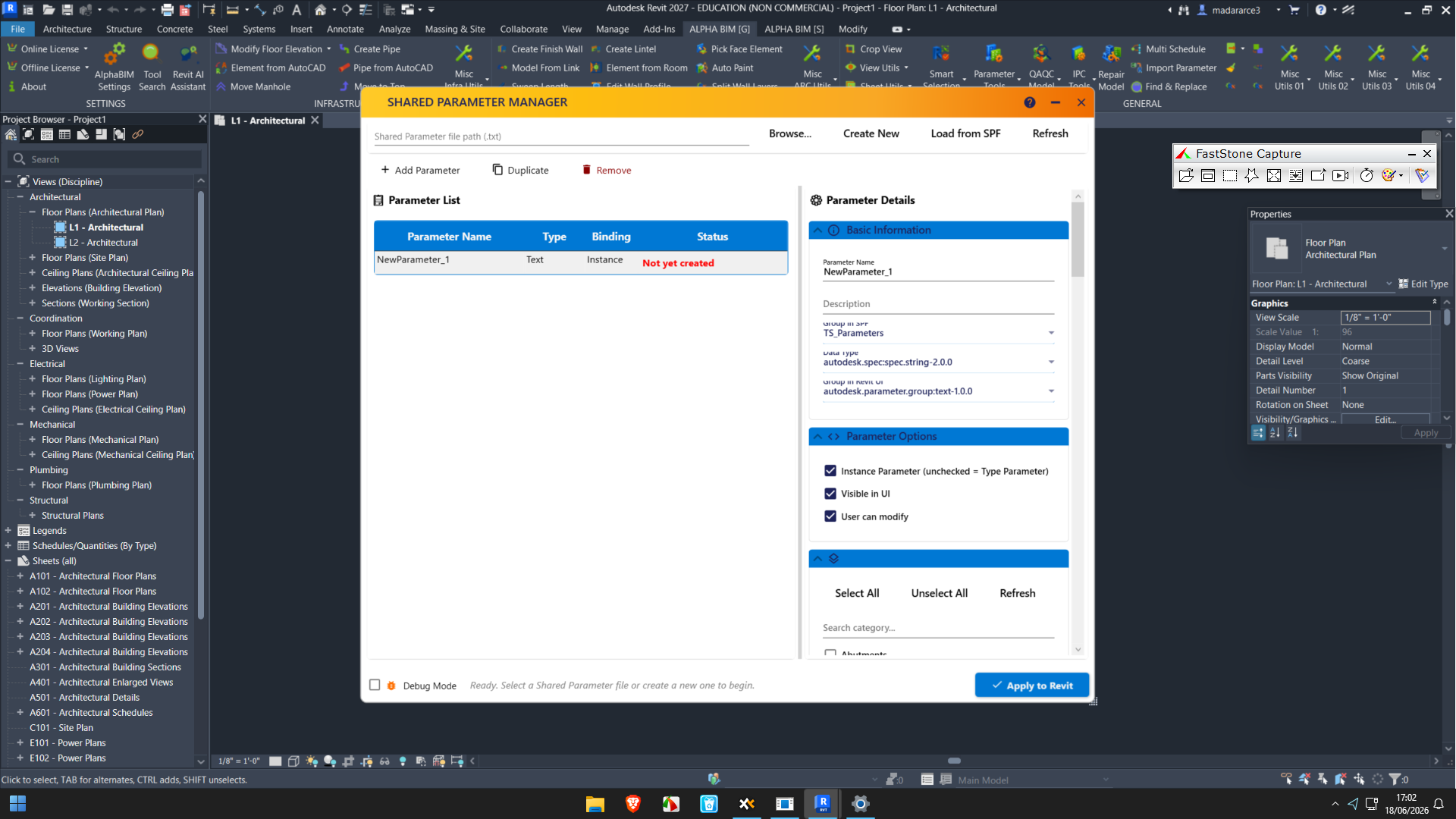
ALPHA BIM 2027 26.4.1 For AutoDesk Revit
Final Verdict
ALPHA BIM offers a practical and capable BIM solution for professionals looking to move beyond conventional drafting methods and embrace data-driven building design. Its intelligent modeling tools, clash detection features, automated documentation, and collaborative environment can contribute to better project outcomes while reducing time-consuming manual tasks.
Whether you operate an architectural practice, engineering consultancy, construction company, or facility management organization, exploring ALPHA BIM could be a worthwhile investment in improving efficiency and maintaining competitiveness in today’s rapidly evolving AEC industry.
If your organization is considering adopting Building Information Modeling software, evaluating ALPHA BIM through a demonstration, trial version, or consultation can help determine how effectively it fits your project requirements and long-term digital transformation goals.


Reviews
There are no reviews yet.