Description
ImageRamp Software Review: A Complete SEO-Optimized Guide for Modern Image Processing Workflows
Summary
ImageRamp is positioned as a modern image processing and optimization software designed to streamline large-scale image handling, improve visual output quality, and simplify batch editing workflows for professionals and businesses. Whether used in digital marketing, e-commerce product management, web development, or media production, ImageRamp focuses on efficiency, speed, and consistency. With increasing demand for optimized visuals across platforms, tools like ImageRamp help reduce manual workload while maintaining high-quality output standards.
This review explores ImageRamp in detail, including its key features, real-world applications, performance insights, advantages, limitations, and pricing considerations to help users make an informed decision.
Introduction
In today’s digital ecosystem, images play a central role in communication, branding, and user engagement. From e-commerce product catalogs to social media campaigns and website optimization, high-quality and well-optimized images directly impact performance and conversions.
ImageRamp is designed to address this growing need by offering a structured and efficient image processing workflow. It is commonly categorized as an image optimization and batch processing tool that helps users handle large volumes of visual content without sacrificing quality or consistency.
Unlike manual editing tools that require repetitive effort, ImageRamp focuses on automation, scalability, and precision. This makes it especially valuable for businesses dealing with thousands of images regularly.
Key Features of ImageRamp
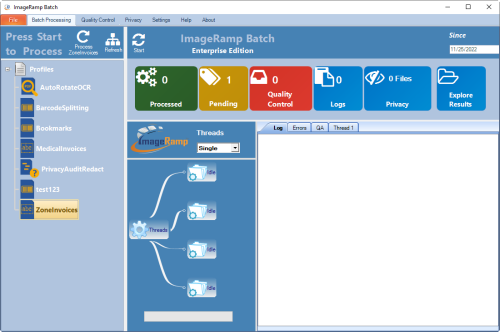
Image Ramp includes a range of functionalities aimed at simplifying image handling and improving productivity. Below are the core features typically associated with this type of software:
1. Batch Image Processing
- Process multiple images simultaneously
- Apply uniform edits across entire image sets
- Reduce repetitive manual editing tasks
2. Image Optimization Engine
- Compress images without significant quality loss
- Improve loading speed for web and mobile use
- Support for multiple formats such as JPEG, PNG, and WebP
3. Automated Workflow System
- Set predefined rules for image processing
- Automate resizing, renaming, and formatting
- Ideal for recurring workflows in businesses
4. Format Conversion Support
- Convert images between different file formats
- Maintain quality during conversion
- Useful for cross-platform compatibility
5. Resizing and Scaling Tools
- Adjust image dimensions for various platforms
- Maintain aspect ratios or custom scaling options
- Optimize images for social media, websites, or print
6. Metadata Management
- Edit or remove image metadata
- Improve privacy and reduce file size
- Useful for SEO and content control
7. Integration-Friendly Workflow
- Designed to work alongside design and publishing systems
- Suitable for developers and content management teams
These features make ImageRamp a flexible solution for both technical and non-technical users handling image-heavy operations.
Practical Use Cases
ImageRamp is widely applicable across multiple industries. Its versatility makes it useful in several real-world scenarios:
1. E-Commerce Product Management
Online stores often deal with thousands of product images. ImageRamp helps:
- Standardize product image dimensions
- Optimize images for faster page loading
- Maintain consistent branding across catalogs
2. Digital Marketing Agencies
Marketing teams rely heavily on visuals. ImageRamp supports:
- Bulk preparation of campaign visuals
- Social media image resizing
- Fast turnaround for client projects
3. Web Development and UI Design
Developers use optimized images to improve website performance:
- Reduce page load time
- Ensure responsive image formats
- Maintain visual quality across devices
4. Photography Studios
Photographers managing large batches of photos benefit from:
- Quick resizing for clients
- Efficient format conversion for delivery
- Streamlined post-production workflow
5. Content Creation and Blogging
Content teams use ImageRamp to:
- Optimize featured images for SEO
- Maintain uniform image structure across articles
- Improve website performance scores
6. Corporate Documentation
Organizations handling reports and presentations use it for:
- Standardizing visuals in documents
- Compressing images for internal systems
- Ensuring consistent branding
Performance Analysis
ImageRamp is typically designed with performance optimization in mind, particularly for handling large-scale image processing tasks.
Speed and Efficiency
One of the strongest aspects is batch processing speed. Instead of editing images individually, users can process hundreds or thousands of images in a single workflow. This significantly reduces operational time.
Quality Preservation
Despite compression and optimization, ImageRamp aims to maintain visual clarity. This balance between quality and file size is essential for professional usage.
System Resource Management
Efficient image tools are expected to minimize CPU and memory load. ImageRamp-style software is generally optimized to prevent system slowdowns during heavy processing tasks.
Scalability
Whether dealing with small projects or enterprise-level image libraries, ImageRamp supports scalable workflows, making it suitable for growing businesses.
Workflow Consistency
Automated rules ensure that outputs remain consistent across all images, which is critical for branding and professional presentation.
Pros and Cons of ImageRamp
Pros
- Efficient batch image processing capabilities
- Helps reduce image file sizes for faster web performance
- Suitable for multiple industries and use cases
- Automates repetitive editing tasks
- Supports format conversion and resizing
- Improves workflow consistency and productivity
- Useful for both small teams and enterprise environments
Cons
- May require initial setup time for automation rules
- Advanced features may have a learning curve for beginners
- Performance depends on system hardware for large-scale processing
- Some advanced editing functions may not match dedicated design software
Pricing and Plans
Pricing for ImageRamp may vary depending on the version, licensing model, or provider structure. In general, image processing software of this category is offered in one or more of the following formats:
- Single-user license for individual professionals
- Business or team license for organizations
- Enterprise solutions for large-scale operations
- Subscription-based models with regular updates
- One-time purchase options in some cases
Some versions may also offer trial access or limited-feature editions to allow users to evaluate functionality before committing.
For businesses, selecting the right plan depends on workflow size, number of users, and required automation level.
Final Verdict
ImageRamp stands out as a practical and efficient solution for anyone dealing with large volumes of images. Its strength lies in automation, batch processing, and optimization capabilities that significantly reduce manual workload while maintaining output quality.
From e-commerce businesses managing product catalogs to agencies handling digital campaigns, ImageRamp provides a structured approach to image handling that improves productivity and consistency. While it may not replace advanced creative editing software, it excels in performance-driven workflows where speed and scalability matter most.
For organizations looking to improve image efficiency, reduce processing time, and maintain consistent visual standards, ImageRamp is a strong contender in the image optimization software category.




Reviews
There are no reviews yet.