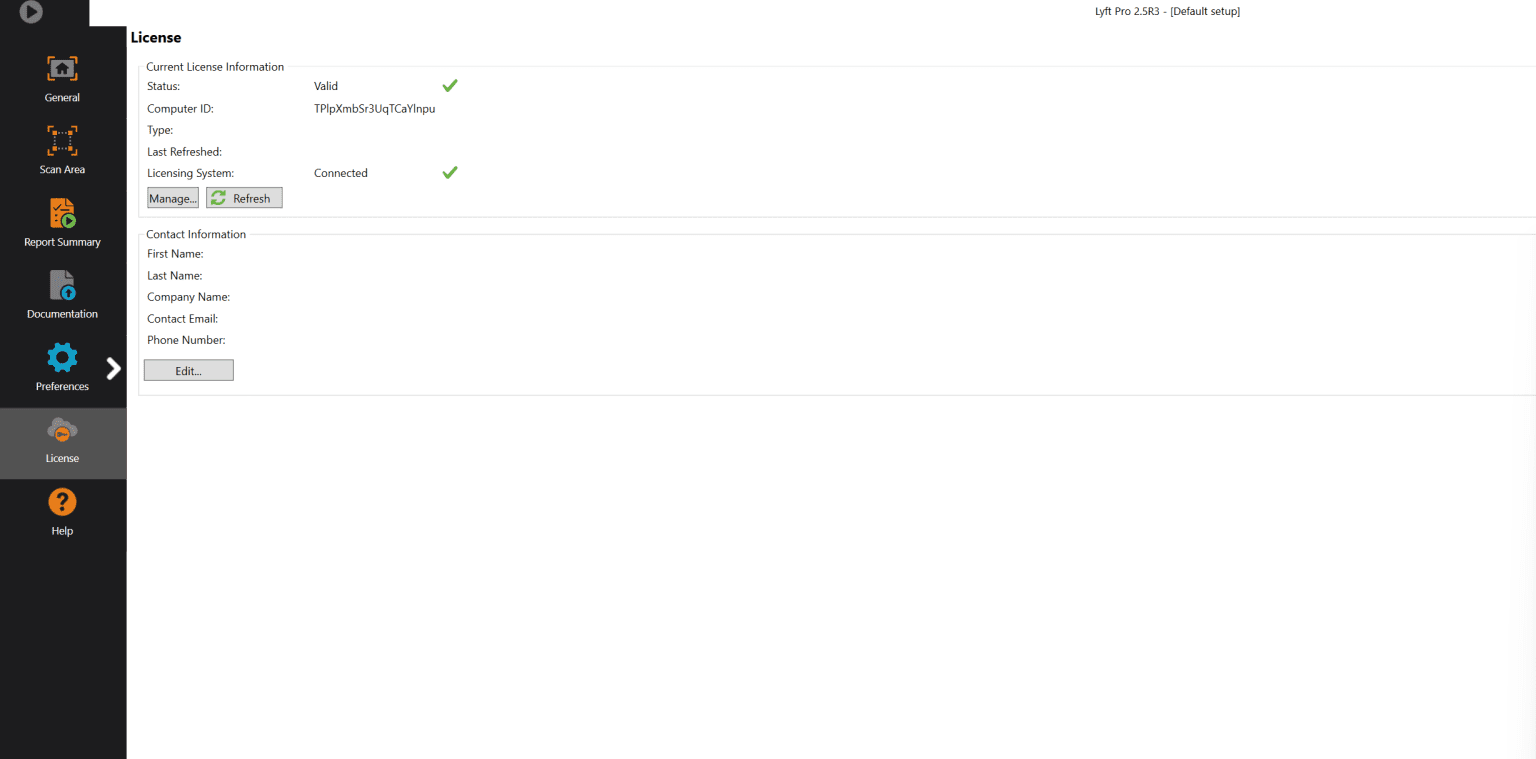
Description
Lyft Pro 2.5R3: Advanced Ride Management and Mobility Optimization Software for Modern Transportation Operations
Summary
Lyft Pro 2.5R3 is positioned as a professional-grade mobility and ride management solution designed to streamline transportation operations, enhance fleet coordination, and improve overall service efficiency. In today’s fast-paced mobility ecosystem—where ride-hailing, corporate transport, and fleet services are rapidly expanding—software like Lyft Pro plays a critical role in optimizing driver allocation, route efficiency, and operational transparency.
This platform is commonly recognized for its ability to centralize ride dispatching, improve real-time tracking, and provide data-driven insights for better decision-making. Whether used by fleet operators, logistics coordinators, or mobility service providers, Lyft Pro delivers a structured approach to managing transportation workflows with precision and scalability.
Introduction
The transportation and ride-management industry has evolved significantly over the last decade. Manual dispatch systems and fragmented tracking tools have been replaced by intelligent, cloud-based platforms that integrate automation, analytics, and real-time communication.
Lyft Pro enters this ecosystem as a solution focused on simplifying complex mobility operations. It is designed for businesses that require more control over ride allocation, driver performance monitoring, and passenger experience optimization.
From small fleet operators to enterprise-level mobility providers, the software is often used to reduce inefficiencies and improve operational visibility. Its architecture typically supports scalable deployment, making it suitable for both growing and established transportation networks.
At its core, Lyft Pro aims to solve three major challenges:
- Inefficient ride dispatching and scheduling
- Lack of real-time operational visibility
- Poor utilization of fleet and driver resources
Key Features of Lyft Pro
Lyft Pro is built around functionality that supports end-to-end transportation management. While features may vary depending on deployment or version, most professional mobility systems like Lyft Pro include the following capabilities:
1. Intelligent Ride Dispatch System
The platform typically includes automated dispatching that assigns rides based on driver proximity, availability, and performance metrics. This reduces idle time and improves service speed.
2. Real-Time GPS Tracking
Live tracking allows operators to monitor vehicle locations, routes, and estimated arrival times. This enhances transparency and improves customer satisfaction.
3. Driver Management Dashboard
A centralized dashboard enables fleet managers to:
- Monitor driver activity
- Track earnings and performance
- Assign schedules and shifts
- Review compliance and behavior metrics
4. Route Optimization Engine
Lyft Pro often incorporates routing algorithms that minimize travel time and fuel consumption. This is especially useful in high-density urban environments.
5. Analytics and Reporting Tools
Data is a critical asset in modern transportation systems. The software provides insights such as:
- Trip completion rates
- Peak usage hours
- Revenue trends
- Driver efficiency reports
6. Customer Booking Interface
A user-friendly booking system allows passengers or clients to request rides, track status, and receive notifications.
7. Payment Integration System
Many versions include support for digital payments, invoicing, and automated fare calculation, ensuring smoother financial operations.
8. Alert and Notification System
Automated alerts help keep drivers and passengers informed about ride status, delays, or changes in scheduling.
Practical Use Cases
Lyft Pro is not limited to one type of organization. Its flexibility allows it to be applied across various transportation-related industries.
1. Ride-Hailing Companies
Startups and established ride-hailing services use Lyft Pro to manage driver networks, optimize ride matching, and handle high-volume trip requests efficiently.
2. Corporate Transportation Services
Companies providing employee shuttle services benefit from structured scheduling, route planning, and reporting tools.
3. Logistics and Delivery Fleets
While primarily focused on passenger transport, the system can also support light logistics operations by managing driver assignments and route efficiency.
4. Airport Transfer Services
Airport shuttle operators use the platform to coordinate pickups, manage flight delays, and ensure timely service delivery.
5. City Transportation Networks
Municipal or regional transport operators can use Lyft Pro to analyze traffic patterns and improve public mobility systems.
Real-World Scenario Example
A mid-sized ride service operating in a metropolitan city often struggles with delayed pickups and inefficient driver allocation. After implementing a system like Lyft Pro, dispatchers can automatically assign the nearest available driver, reducing average wait times significantly. Over time, this leads to improved customer ratings and higher ride completion rates.
Performance Analysis
Performance is a key factor in any mobility management system. Lyft Pro is typically designed with scalability and responsiveness in mind.
System Responsiveness
The platform is optimized to handle real-time data streams, ensuring minimal delays in ride assignment and tracking updates.
Scalability
Whether managing 10 vehicles or 10,000, the system architecture supports growth without major performance degradation.
Data Accuracy
GPS-based tracking and automated reporting systems improve accuracy in location tracking, trip duration estimation, and billing.
Operational Efficiency
By reducing manual intervention in dispatching and scheduling, the software significantly improves workflow efficiency.
Reliability
Cloud-based infrastructure (in most implementations) ensures high uptime and data backup security, reducing risk of operational downtime.
Pros and Cons
Advantages
- Streamlined ride dispatching and automation
- Real-time vehicle tracking and monitoring
- Data-driven decision-making tools
- Improved fleet utilization and efficiency
- Scalable for small and large operations
- Enhanced customer experience through faster response times
- Centralized control over drivers and operations
Limitations
- May require training for first-time users
- Performance depends on stable internet connectivity
- Advanced features may require higher-tier plans
- Customization complexity for non-technical users
- Integration with legacy systems may require additional setup
Pricing and Plans
Pricing for Lyft Pro can vary based on deployment model, feature set, and organizational scale. In most enterprise software environments, pricing is structured into tiers such as:
1. Basic Plan
Designed for small fleet operators with essential dispatching and tracking features.
2. Professional Plan
Includes advanced analytics, route optimization, and expanded driver management tools.
3. Enterprise Plan
Built for large-scale transportation networks requiring full customization, API access, and dedicated support.
Common Pricing Factors Include:
- Number of vehicles or drivers
- Feature access level
- Cloud hosting or on-premise deployment
- Support and maintenance packages
Businesses often choose plans based on operational size and expected growth rather than feature quantity alone.
Lyft Pro 2.5R3 by Eddyfi Technologies
Final Verdict
Lyft Pro stands out as a comprehensive mobility and ride management solution designed to address the evolving demands of transportation businesses. Its combination of real-time tracking, intelligent dispatching, and analytics-driven insights makes it a valuable tool for organizations aiming to improve operational efficiency and customer satisfaction.
While it may require initial onboarding and setup effort, the long-term benefits in terms of automation, scalability, and performance optimization are significant. For businesses looking to modernize their transportation operations, Lyft Pro offers a structured and reliable pathway toward digital transformation.
Conclusion
In a competitive mobility landscape, efficiency and precision define success. Lyft Pro provides the technological foundation needed to streamline ride operations, reduce inefficiencies, and enhance service delivery.
Organizations seeking to improve fleet performance, optimize dispatch systems, and gain deeper operational insights can benefit from adopting such a solution. Exploring Lyft Pro as part of a broader digital mobility strategy can help transform transportation workflows into more efficient, data-driven systems capable of scaling with demand.




Reviews
There are no reviews yet.