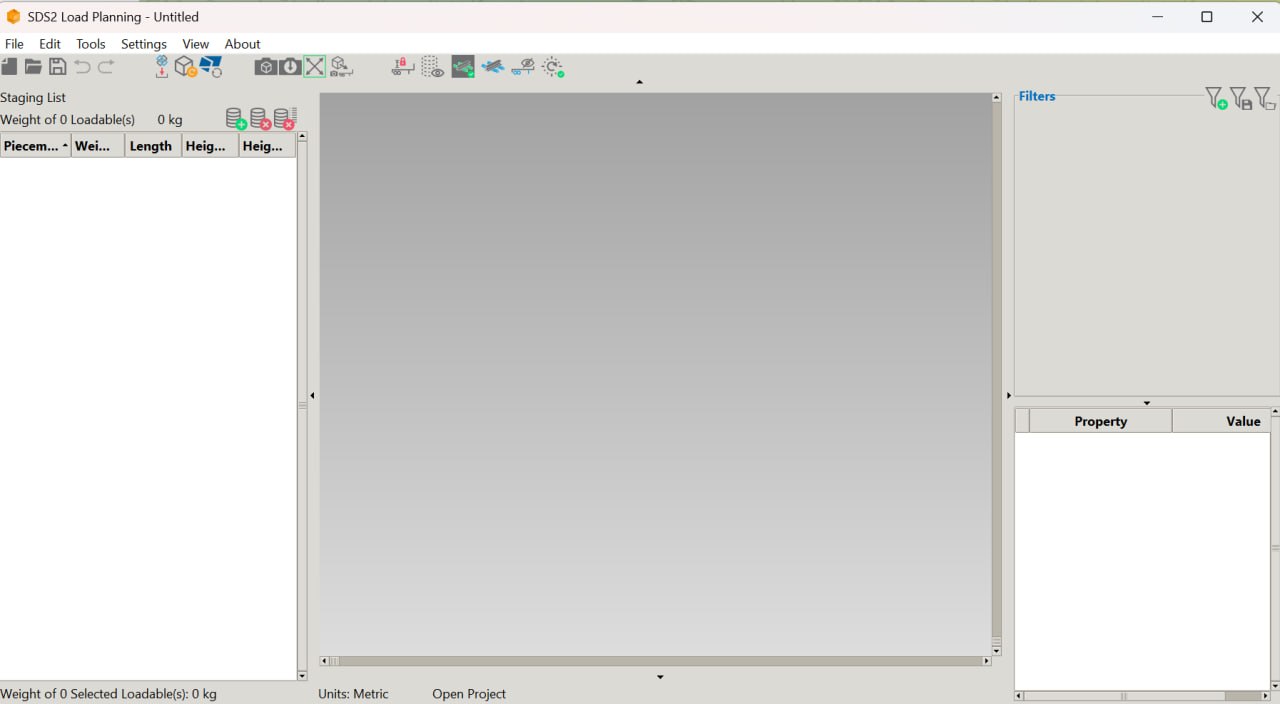
Description
SDS2 Load Planning 2026– Advanced Steel Truck Loading and Transportation Optimization Software
Summary
SDS2 Load Planning is a specialized software solution designed to improve how structural steel fabricators organize, prepare, and manage steel transportation from fabrication facilities to construction sites. By using 3D fabrication models, virtual trailer environments, and intelligent material organization, SDS2 Load Planning 2026 software helps teams plan truckloads more accurately, reduce unnecessary material handling, and improve delivery coordination.
For steel fabricators, detailers, logistics coordinators, and construction professionals, loading structural steel is more complicated than simply placing materials onto a trailer. Different member sizes, weights, shapes, transportation restrictions, and erection sequences all influence how efficiently a shipment can be prepared. SDS2 Load Planning addresses these challenges by providing a visual environment where users can organize steel members, evaluate trailer arrangements, and prepare practical transportation plans before physical loading begins.
Whether managing large structural steel projects, coordinating multiple trailer deliveries, or improving communication between fabrication and construction teams, SDS2 Load Planning offers valuable capabilities for making material transportation more organized and predictable.
Introduction
In structural steel construction, transportation planning plays an important role in project efficiency. Fabricated beams, columns, braces, connections, and other steel components must reach construction sites in the correct condition and, ideally, in the correct installation sequence.
Poorly organized truckloads can create several problems. Materials may arrive in the wrong order, workers may spend additional time searching for specific members, and trailers may require unnecessary rearrangement. These issues can increase transportation expenses, material handling requirements, and construction delays.
SDS2 Load Planning provides a practical solution by allowing steel professionals to create and evaluate loading arrangements in a three-dimensional virtual environment.
The software works with IFC fabrication models, allowing users to bring structural steel information into a dedicated load planning workspace. Instead of relying entirely on spreadsheets, drawings, and manual calculations, teams can visualize steel components and organize them into trailer loads.
One of its important advantages is that SDS2 Load Planning can work with fabrication models created in different compatible software environments, including models originating from SDS2 and Tekla workflows.
This makes it useful for businesses that want to improve transportation planning without completely changing their existing structural steel detailing processes.
Key Features of SDS2 Load Planning
1. 3D Virtual Truck Loading
One of the most valuable capabilities of SDS2 Load Planning is its three-dimensional trailer loading environment.
Users can visualize structural steel components and arrange them within virtual trailers before materials are physically loaded. This provides a clearer understanding of how different members fit together and how the available transportation space can be used.
The visual workflow helps teams identify potential loading problems earlier, reducing the need for repeated adjustments in the fabrication yard.
For example, when preparing a shipment containing long beams, columns, and smaller structural components, users can evaluate their placement and develop a more organized loading arrangement.
2. IFC Model Integration
SDS2 Load Planning supports IFC-based model workflows, making it possible to import structural steel information from compatible modeling and detailing applications.
IFC models can contain important information about structural members, including:
- Member and material identification.
- Material and member types.
- Steel grades.
- Piecemarks.
- Geometric information.
- Relevant fabrication status information.
This information helps users identify and select the appropriate components when preparing trailer loads.
The ability to work with model-based information also reduces dependence on manually recreating material lists.
3. Intelligent Material Organization
Organizing steel components is essential when preparing transportation plans for complex construction projects.
SDS2 Load Planning provides tools for selecting, grouping, and arranging materials according to project requirements.
Users can work with different structural components and organize them into suitable trailer loads. This makes it easier to manage large quantities of fabricated steel while maintaining better control over individual shipments.
For fabrication businesses handling multiple projects simultaneously, structured material organization can make daily logistics operations more manageable.
4. Trailer Capacity and Weight Management
Trailer capacity is an important consideration when transporting structural steel.
A load that exceeds transportation limits can create safety concerns, operational complications, and additional costs.
SDS2 Load Planning supports the evaluation of trailer loading arrangements, including important weight and spatial considerations.
By reviewing the proposed arrangement in advance, teams can make more informed decisions about how materials should be distributed.
The software also supports loading calculations that help users understand how much trailer payload capacity is being utilized.
5. Center of Gravity Considerations
A good transportation plan must consider more than the total weight of the materials.
How that weight is distributed across a trailer also matters.
SDS2 Load Planning provides capabilities for evaluating loading arrangements with consideration for center of gravity and other important loading factors.
This helps transportation planners assess whether a proposed arrangement is practical before moving materials onto an actual vehicle.
However, software-based planning should always be supported by applicable transportation regulations, vehicle specifications, and qualified loading personnel.
6. Material Selection and Load Visualization
The ability to identify individual structural members within a 3D model is particularly useful when managing complicated shipments.
Instead of depending exclusively on written descriptions, users can work with visual representations of steel components.
This makes it easier to understand which materials belong to particular loads and how they are positioned within the trailer.
Better visualization can also improve communication between detailers, shop supervisors, loading personnel, and project coordinators.
7. Fabrication and Production Workflow Integration
SDS2 Load Planning can support broader fabrication management workflows.
Its compatibility with IFC-based information and integration capabilities involving fabrication management systems help connect transportation planning with other project activities.
For example, integration with Tekla PowerFab supports the exchange of relevant information, including approval statuses, lot names, load numbers, trailer numbers, and planned shipping dates, depending on the configured workflow.
This can help businesses maintain better coordination between fabrication progress and material delivery planning.
Practical Use Cases of SDS2 Load Planning
Structural Steel Fabrication Companies
Steel fabrication companies regularly handle large quantities of beams, columns, braces, and other structural components.
Preparing these materials for transportation requires careful organization.
SDS2 Load Planning allows fabrication teams to develop virtual trailer arrangements and review how materials can be grouped before physical loading begins.
This can reduce unnecessary rearrangement and improve the organization of outgoing shipments.
Large Commercial Construction Projects
Commercial buildings often require hundreds or thousands of fabricated steel components.
Delivering these materials in an appropriate sequence is important because construction teams need specific components at different stages of the project.
SDS2 Load Planning helps logistics coordinators visualize shipments and organize materials around project requirements.
This can be particularly beneficial for warehouses, industrial facilities, shopping centers, and large commercial developments.
Steel Erection Contractors
Steel erection teams depend on receiving the correct materials at the correct time.
When deliveries are poorly organized, workers may need to spend additional time locating components or rearranging materials.
By coordinating load planning with erection sequencing information, businesses can develop transportation arrangements that better support installation activities.
Industrial Steel Structures
Industrial projects frequently involve complicated structural assemblies, large steel members, and specialized transportation requirements.
SDS2 Load Planning provides a visual environment for evaluating how these materials can be arranged for delivery.
This can help project teams identify potential loading challenges before materials leave the fabrication facility.
Multi-Trailer Transportation Operations
Projects that require multiple trailers can become difficult to coordinate without a structured loading process.
SDS2 Load Planning helps users organize materials into individual trailer arrangements, making it easier to manage larger shipments and coordinate transportation activities.
Performance Analysis
SDS2 Load Planning offers its greatest value when businesses move beyond traditional manual loading methods and adopt model-based transportation planning.
Its 3D visualization capabilities make complex steel loading arrangements easier to understand. Rather than interpreting material lists alone, users can examine the actual geometry of structural components and evaluate their positions within a virtual trailer.
This is particularly helpful when dealing with irregularly shaped steel members, long beams, curved components, and complicated fabrication assemblies.
Another important performance advantage is its ability to use information from IFC fabrication models. Since the imported model can contain material identification and geometric information, users can work with more detailed project data during transportation planning.
The software can also support better coordination between fabrication and delivery activities when used alongside compatible project management and production systems.
However, its effectiveness depends on the quality of the imported model, accurate material information, correct trailer specifications, and appropriate loading procedures.
Companies should also invest time in training employees so that they understand the available tools and can incorporate them into their existing workflows.
Overall, SDS2 Load Planning is particularly valuable for steel fabrication businesses that regularly manage complicated deliveries and want a more visual, structured approach to transportation planning.
Pros and Cons of SDS2 Load Planning
Pros
- Provides a dedicated 3D environment for planning structural steel trailer loads.
- Supports IFC-based fabrication model imports.
- Helps visualize material placement before physical loading.
- Supports consideration of trailer weight and payload capacity.
- Provides tools for organizing structural steel components.
- Helps improve coordination between fabrication and transportation activities.
- Supports workflows involving Tekla PowerFab.
- Can assist with planning around erection sequences.
- Helps reduce dependence on traditional manual loading arrangements.
- Suitable for complex structural steel transportation projects.
Cons
- Requires accurate and properly prepared fabrication models for the best results.
- Users need training to understand the software and its loading workflows.
- Implementation may require adjustments to existing fabrication procedures.
- Actual transportation restrictions and loading safety requirements must still be verified.
- Advanced workflows may require compatible software integrations and additional licensing.
- Smaller fabrication companies with limited transportation requirements may not use all its capabilities.
Pricing & Plans
SDS2 Load Planning pricing can depend on licensing arrangements, software versions, business requirements, and available product packages.
Specific pricing should be confirmed with the software provider or an authorized sales representative because licensing costs and commercial terms may change.
Businesses evaluating SDS2 Load Planning should consider the following factors:
- Available licensing options.
- Supported software versions.
- IFC import and export requirements.
- Compatibility with existing fabrication applications.
- Integration requirements.
- Technical support and maintenance.
- Employee training and implementation costs.
It is also worth understanding the distinction between SDS2 Load Planning and the Preliminary Load Planning functionality available through SDS2 Toolbox.
Preliminary Load Planning helps users prepare initial load lists based on trailer weight limits and erection order information. It can also export load information into Microsoft Excel reports.
SDS2 Load Planning provides the more detailed virtual trailer loading environment used to develop and evaluate loading arrangements.
Choosing the appropriate solution depends on the complexity of the transportation workflow and the level of planning required.
Why Choose SDS2 Load Planning?
Choosing the right steel transportation planning software can make a noticeable difference in fabrication operations.
SDS2 Load Planning focuses on a specific but important part of the structural steel project lifecycle: moving fabricated materials from the shop to the construction site.
Its model-based approach offers several practical advantages:
Better planning: Users can evaluate trailer arrangements before physical loading begins.
Improved visualization: Three-dimensional models make it easier to understand how structural components fit together.
More organized deliveries: Material grouping and load planning can help teams coordinate outgoing shipments.
Stronger project coordination: Model information can support communication between fabrication, logistics, and erection teams.
Reduced manual effort: Digital planning can minimize repetitive material organization and improve the consistency of transportation workflows.
For companies managing frequent steel deliveries, these advantages can contribute to more predictable operations and better resource utilization.
SDS2 Load Planning 2026.1 Download
Final Verdict
SDS2 Load Planning 2027 is a valuable software solution for structural steel fabricators, transportation coordinators, steel detailers, and construction professionals who want to improve the way fabricated steel is prepared for delivery.
Its combination of IFC model integration, 3D virtual trailer loading, material organization, and transportation planning capabilities makes it a practical addition to modern steel fabrication workflows.




Reviews
There are no reviews yet.