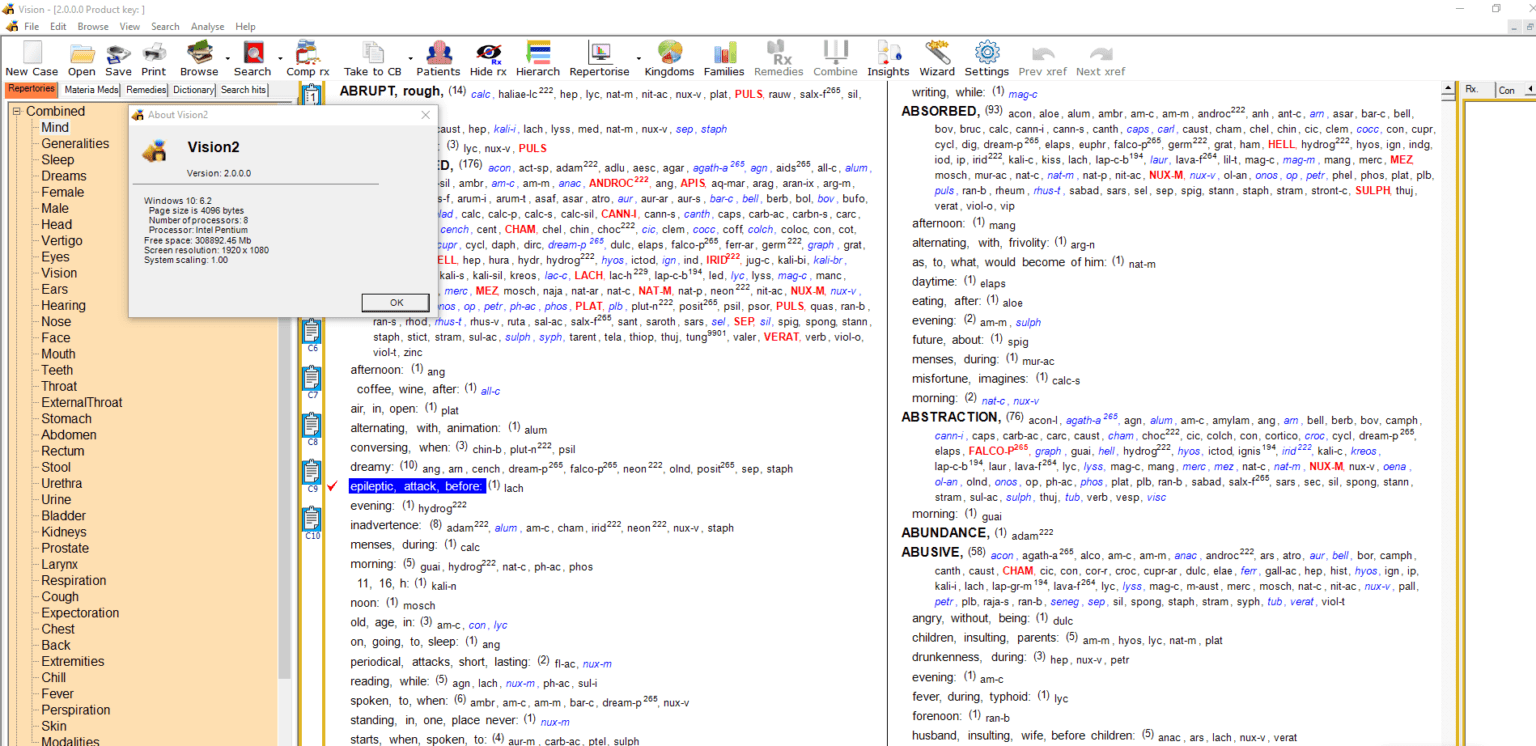
Description
Vision2 Software Review: A Complete Guide to Features, Use Cases, and Performance
Strong Summary
Vision2 is a modern, AI-driven software solution designed to transform how businesses analyze, interpret, and automate visual data. Built for organizations that rely on image recognition, video processing, and real-time analytics, Vision software leverages computer vision and machine learning to convert raw visual inputs into actionable insights. From retail analytics and industrial automation to healthcare imaging and security monitoring, Vision is becoming an essential tool for data-driven decision-making.
This review explores Vision software in depth, including its core capabilities, real-world applications, strengths, limitations, and pricing structure. Whether you are a business owner, developer, or enterprise decision-maker, this guide will help you understand how Vision technology can enhance operational efficiency and improve accuracy across multiple industries.
Introduction
In today’s digital landscape, visual data is one of the most valuable yet underutilized resources. Cameras, sensors, and imaging systems generate massive amounts of information every second. However, without intelligent processing tools, this data remains fragmented and difficult to interpret.
Vision software addresses this gap by using advanced computer vision algorithms and AI-powered analytics to process images and videos in real time. It helps organizations automate visual inspection, detect patterns, and generate insights that would otherwise require manual effort.
The growing demand for AI vision platforms, image recognition software, and automated visual analytics tools has positioned Vision as a powerful solution for industries seeking digital transformation.
Key Features of Vision Software
Vision2 software stands out due to its wide range of intelligent features designed for scalability and precision. Below are its core capabilities:
1. AI-Powered Image Recognition
Vision uses deep learning models to identify objects, faces, text, and patterns within images and video streams. This enables automatic classification and tagging of visual data.
2. Real-Time Video Processing
The software processes live video feeds with minimal latency, making it suitable for surveillance systems, manufacturing lines, and traffic monitoring.
3. Automated Object Detection
Vision can detect and track multiple objects simultaneously, improving operational accuracy in environments like warehouses and retail stores.
4. Optical Character Recognition (OCR)
The built-in OCR engine extracts text from images, documents, and scanned files, enabling seamless data digitization.
5. Custom Model Training
Users can train Vision models using their own datasets, allowing industry-specific customization and improved detection accuracy.
6. Cloud and On-Premise Deployment
Vision supports flexible deployment options, including cloud-based infrastructure and local servers for enhanced data control and compliance.
7. API Integration Support
Developers can integrate Vision software into existing applications using RESTful APIs and SDKs, enabling smooth workflow automation.
8. Advanced Analytics Dashboard
The software provides visual dashboards with metrics, charts, and alerts to help users monitor performance and insights in real time.
Practical Use Cases
Vision software is widely applicable across industries. Below are real-world scenarios where it delivers significant value:
Retail and E-Commerce
Retailers use Vision software for customer behavior tracking, shelf monitoring, and inventory analysis. It helps identify which products attract attention and how customers move through stores.
Manufacturing and Quality Control
In industrial environments, Vision is used to detect defects in products during production. Automated inspection systems reduce human error and improve quality assurance.
Healthcare and Medical Imaging
Hospitals and diagnostic centers use Vision technology to analyze medical scans such as X-rays, MRIs, and CT images. It assists doctors in identifying abnormalities more quickly and accurately.
Security and Surveillance
Vision software enhances security systems by detecting suspicious activity, recognizing faces, and alerting operators in real time.
Transportation and Traffic Management
Smart city systems use Vision to monitor traffic flow, detect accidents, and manage congestion through automated analysis of road cameras.
Agriculture and Farming
Farmers and agritech companies use Vision tools for crop monitoring, pest detection, and yield prediction using aerial and drone imagery.
Performance Analysis
When evaluating Vision software, performance plays a critical role in determining its effectiveness across different environments.
Speed and Processing Efficiency
Vision delivers high-speed processing even when handling large volumes of visual data. Its optimized AI models reduce latency, making real-time analysis possible.
Accuracy of Detection
The software demonstrates strong accuracy in object recognition, classification, and anomaly detection. Custom training further improves precision for niche use cases.
Scalability
Vision is designed to scale from small business applications to enterprise-level deployments. Whether processing a single camera feed or thousands, performance remains stable.
System Compatibility
It supports integration with major operating systems, cloud platforms, and third-party tools, making it highly adaptable.
Reliability
With continuous monitoring and error-handling mechanisms, Vision ensures consistent uptime and minimal disruption in critical environments.
Pros and Cons
Pros
- Advanced AI and machine learning capabilities
- High accuracy in image and video analysis
- Real-time processing with low latency
- Flexible deployment options (cloud and on-premise)
- Custom model training for industry-specific needs
- Easy API integration for developers
- Strong scalability for enterprise use
Cons
- Requires initial training for custom models
- High computational resources for large-scale deployments
- Advanced features may require technical expertise
- Pricing may be higher for enterprise-level usage
Pricing and Plans
Vision software typically follows a tiered pricing model based on usage, features, and deployment type. While exact pricing may vary depending on vendor and customization, common plans include:
Starter Plan
Designed for small businesses and individual developers. Includes basic image recognition, limited API calls, and standard support.
Professional Plan
Suitable for growing companies requiring advanced analytics, custom model training, and higher processing capacity.
Enterprise Plan
Built for large organizations with complex requirements. Includes full-scale deployment options, dedicated support, advanced security features, and unlimited scalability.
Custom Solutions
For industries with highly specialized needs, Vision offers tailor-made solutions with flexible pricing based on infrastructure and usage volume.
Final Verdict
Vision software represents a significant advancement in the field of computer vision and AI-powered analytics. Its ability to transform visual data into meaningful insights makes it a valuable tool across industries such as retail, healthcare, manufacturing, and security.
While it may require technical expertise for advanced customization, the long-term benefits in automation, efficiency, and accuracy far outweigh the initial learning curve. Businesses looking to adopt intelligent visual processing systems will find Vision to be a reliable and scalable solution.
For organizations aiming to improve operational intelligence and reduce manual workload, Vision software offers a future-ready platform that aligns with modern digital transformation goals.
Exploring Vision today can be a strategic step toward smarter automation, improved decision-making, and enhanced data-driven performance.



Reviews
There are no reviews yet.