Description
BIM Feeder for Revit Review: A Practical Tool for Improving BIM Data and Revit Workflows
Summary
For many Revit users, the biggest BIM Feeder for Revit challenge is not creating geometry—it is managing the information behind that geometry. BIM models often contain hundreds or thousands of elements, and keeping data organized, consistent, and useful can become a time-consuming task. This is where BIM Feeder for Revit can provide practical value. Designed to support information-driven BIM workflows, the software helps users work more efficiently with Revit model data and reduce the repetitive effort involved in managing project information.
In this review, we explore what BIM Feeder for Revit offers, how it can fit into real-world architectural and engineering workflows, its practical benefits, performance considerations, potential limitations, and the type of professional who may benefit most from using it. Whether you are a BIM coordinator, Revit technician, architect, engineer, or design office looking to improve model data management, BIM Feeder for Revit is a solution worth examining.
Introduction
Building Information Modeling has changed the way design and construction teams work. Modern Revit projects are no longer just digital drawings. They are information-rich environments containing walls, doors, windows, equipment, structural elements, rooms, spaces, materials, parameters, and countless other data points.
However, managing all this information can become difficult.
A typical Revit project may involve multiple team members, different modeling standards, project-specific parameters, and constantly changing requirements. A user may spend a significant amount of time entering, checking, updating, or organizing information instead of focusing on design and coordination.
This is the type of situation where tools such as BIM Feeder for Revit can make a meaningful difference.
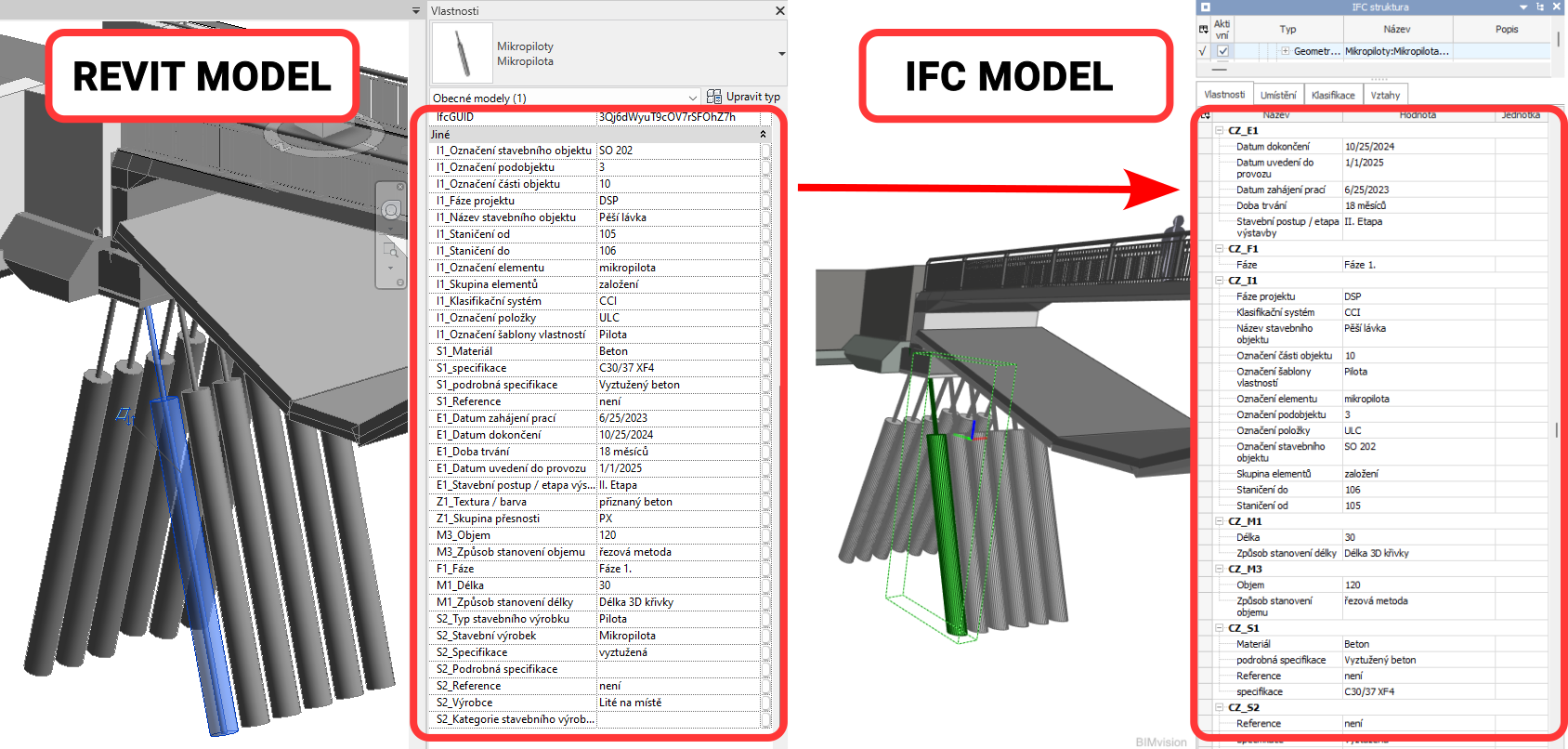
The concept behind BIM Feeder for Revit is particularly relevant to information-based workflows. Instead of treating a BIM model only as a 3D representation, the software helps users work more effectively with the data that makes the model valuable. For teams that depend on accurate Revit parameters and structured project information, a dedicated workflow tool can improve consistency and reduce manual effort.
What Is BIM Feeder for Revit?
BIM Feeder for Revit is a Revit-focused BIM productivity solution designed to support the management and handling of information within Autodesk Revit workflows.
The software is aimed at users who need to work with model data more efficiently. Depending on the project workflow and configuration, BIM-focused tools of this type can assist with organizing information, improving data input processes, supporting model consistency, and making repetitive operations more manageable.
The main advantage is simple: when BIM data is easier to manage, the entire project workflow can become more reliable.
For a small project, manually managing information may not seem like a major issue. On a large commercial building, hospital, infrastructure project, or multi-disciplinary BIM model, however, even small inefficiencies can multiply quickly.
Key Features of BIM Feeder for Revit
Revit Data Management Support
One of the most important benefits of BIM Feeder for Revit is its focus on model information. Revit users often work with a wide range of parameters and structured data. A tool designed around BIM data can help make these processes more organized and manageable.
This can be especially useful when teams need to maintain consistent information across multiple elements or project areas.
Improved BIM Workflow Efficiency
Repetitive tasks are among the biggest productivity problems in professional Revit environments. A user may need to repeatedly enter similar information, update parameters, or prepare data for coordination.
By supporting more efficient information workflows, BIM Feeder for Revit can help reduce unnecessary manual work. This allows professionals to spend more time on design development, coordination, quality control, and project decision-making.
Better Information Consistency
Inconsistent BIM data can create problems later in a project. A missing parameter, incorrect value, or inconsistent naming convention may affect schedules, documentation, quantity takeoffs, and coordination.
A structured approach to managing Revit information can help teams improve data consistency. This is particularly valuable for organizations working with BIM standards, internal modeling guidelines, or project information requirements.
Useful for BIM-Centered Workflows
The software can be relevant to a variety of professionals working with Revit, including:
- BIM coordinators
- Architects
- MEP engineers
- Structural engineers
- Revit technicians
- Design managers
- BIM managers
- Construction documentation teams
Its value is strongest in environments where model information is treated as an important project asset rather than an afterthought.
Practical Use Cases
1. Architectural BIM Projects
Architectural teams often manage large quantities of model data. Doors, windows, rooms, furniture, finishes, and building components may all require specific information.
A BIM data management tool can help teams maintain more consistent information throughout the project. This can reduce the risk of incomplete data affecting schedules or documentation.
For example, an architectural team preparing a large office building may need to manage hundreds of rooms and components. Instead of relying entirely on manual updates, a structured workflow can make information management more efficient.
2. MEP Coordination
MEP models often contain a large number of systems, components, and technical parameters. When models become complex, data consistency becomes increasingly important.
BIM Feeder for Revit can be useful as part of a broader workflow for managing and organizing technical information. This can support coordination between design disciplines and make it easier to identify information that needs attention.
3. BIM Standards and Quality Control
Many organizations have internal BIM standards. These may include naming conventions, parameter requirements, classification systems, and data structures.
A tool that supports information management can help teams work more consistently with these requirements. This is particularly valuable for BIM managers who need to maintain standards across multiple projects and team members.
4. Large Revit Models
Large models are where productivity tools often provide the greatest practical benefit.
When a project contains thousands of elements, manually checking and updating information can consume significant time. A more efficient workflow can help reduce repetitive operations and allow project teams to focus on higher-value tasks.
5. Project Handover and Asset Information
BIM data can remain valuable after the design and construction phases. Facility managers and building owners may depend on accurate asset information for maintenance and operational planning.
Better data organization during the modeling phase can support more useful information delivery later in the building lifecycle.
A Real-World Workflow Example
Imagine a BIM coordinator working on a multi-story commercial project.
The architectural model is developing rapidly. New components are being added, project requirements are changing, and several team members are working on different areas. The coordinator notices that some information is inconsistent across model elements.
Without a dedicated workflow approach, the coordinator may need to manually inspect and update large numbers of elements. This can take hours and may still leave room for human error.
With a more structured BIM information workflow, the coordinator can work more efficiently with the model data, identify areas that require attention, and improve consistency across the project.
The benefit is not simply saving a few clicks. The larger advantage is creating a more dependable model that can support documentation, coordination, analysis, and downstream project requirements.
Performance Analysis
Performance is an important consideration for any Revit add-in or BIM productivity tool.
The practical performance of BIM Feeder for Revit will depend on factors such as:
- Project size
- Number of model elements
- Complexity of the Revit model
- Amount of data being processed
- Computer hardware
- Revit version and environment
- Overall project organization
On smaller and moderately sized projects, information management tasks should generally feel manageable. Larger models may naturally require more processing time, particularly when working with substantial amounts of data.
However, productivity should not be measured only by processing speed. A tool can still provide significant value if it reduces repetitive manual work and improves the quality of project information.
For professional BIM teams, data reliability is often just as important as raw speed.
User Experience
The usefulness of any Revit productivity tool depends heavily on how naturally it fits into the user’s existing workflow.
For experienced Revit users, the main advantage of BIM Feeder for Revit is its potential to reduce the friction associated with information-heavy tasks. Users who regularly work with parameters, model standards, and project data may find that a specialized workflow tool is easier to manage than relying exclusively on manual processes.
For beginners, there may be a learning curve. BIM information workflows can be complex, especially when users are unfamiliar with parameters, shared data structures, or organizational standards.
The best experience usually comes when the software is introduced as part of a clear BIM process. Teams should define how information is structured before attempting to automate or improve it.
Pros and Cons
Pros
- Designed around Revit and BIM information workflows
- Can help reduce repetitive data management tasks
- Supports more structured model information practices
- Useful for BIM coordinators and Revit-based design teams
- Can improve consistency in information-heavy projects
- Potentially valuable for large and complex BIM models
- Supports a more data-focused approach to Revit projects
Cons
- May require time to learn and configure properly
- The benefits depend heavily on project organization
- Users unfamiliar with BIM data management may need additional training
- Performance can vary depending on project size and model complexity
- Advanced users may need to integrate it into existing BIM standards and workflows
Pricing and Plans
Pricing and licensing for BIM Feeder for Revit may vary depending on the developer, licensing model, edition, and current availability.
Software buyers should review the current licensing information before making a purchase. Factors such as subscription options, perpetual licenses, version compatibility, commercial usage rights, and support availability may influence the total cost.
For businesses, the most important question is not simply how much the software costs. The better question is whether it can save enough time and reduce enough manual effort to justify the investment.
For example, if a BIM coordinator saves several hours each week on repetitive information management, the productivity value can become significant over the course of a project.
Who Should Use BIM Feeder for Revit?
BIM Feeder for Revit may be a strong choice for:
- BIM managers seeking better information workflows
- Revit professionals working on data-heavy projects
- Architectural and engineering firms managing complex models
- BIM coordinators responsible for model quality
- Teams working with structured project standards
- Organizations looking to reduce repetitive manual data operations
It may be less suitable for users who only use Revit for very basic modeling and rarely work with structured BIM information.
Final Verdict
BIM Feeder for Revit is a practical solution for professionals who understand that a successful BIM project depends on more than accurate geometry. The information inside a Revit model must also be organized, consistent, and usable.
Its greatest potential value lies in helping users improve information-focused workflows, reduce repetitive tasks, and create more dependable BIM data. For large projects and professional design teams, these advantages can have a meaningful impact on productivity and project quality.
Like any Revit productivity tool, BIM Feeder for Revit works best when it is used as part of a well-defined BIM process. Users should combine the software with clear modeling standards, consistent data practices, and proper quality control.
If your Revit workflow regularly involves managing large amounts of model information, checking parameters, maintaining consistency, or improving BIM data processes, exploring BIM Feeder for Revit may be a worthwhile next step. A better-organized model can lead to better coordination, more reliable documentation, and a smoother project workflow from design through delivery.


Reviews
There are no reviews yet.