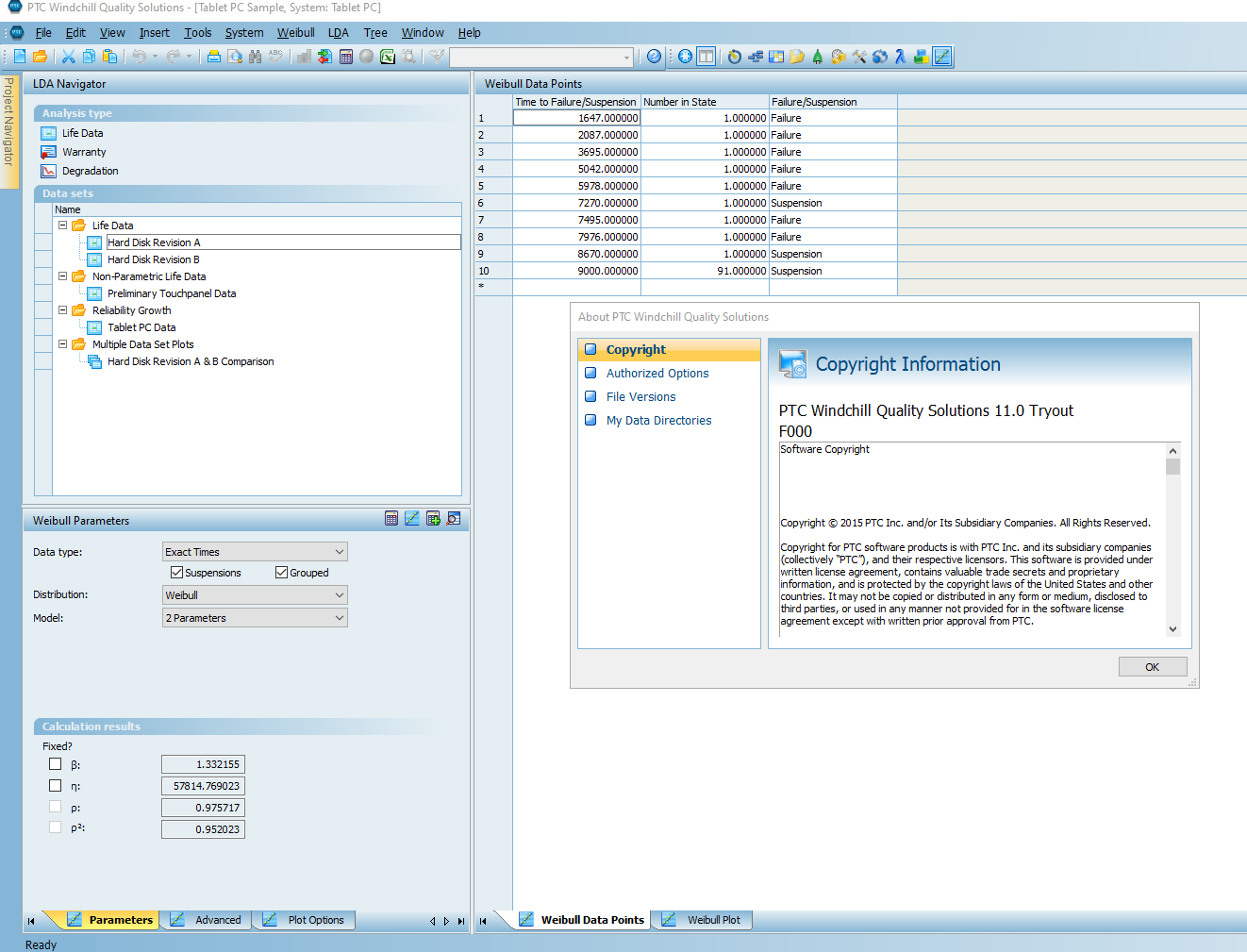
Description
PTC Windchill Review: A Powerful Product Lifecycle Management Solution for Modern Engineering Teams
In today’s fast-paced product development environment, businesses need more than just CAD software to stay competitive. They require a centralized platform that manages product data, streamlines collaboration, controls engineering changes, and supports every stage of the product lifecycle. This is exactly where PTC Windchill stands out.
PTC Windchill is a leading Product Lifecycle Management (PLM) platform trusted by manufacturers, engineering firms, aerospace companies, automotive organizations, and industrial enterprises worldwide. It helps teams organize product information, improve collaboration, reduce development time, and ensure compliance with industry standards.
Whether you’re managing complex engineering projects or coordinating global design teams, PTC Windchill provides the tools needed to keep product development efficient, secure, and organized.
PTC Windchill Review
Introduction
Managing product data across multiple departments can quickly become overwhelming. Engineers create CAD files, designers revise models, procurement teams manage suppliers, while quality departments ensure compliance. Without a centralized system, version confusion and communication gaps become costly.
PTC Windchill solves these challenges by acting as a complete Product Lifecycle Management (PLM) platform.
Instead of storing files in disconnected folders or relying on email chains, Windchill creates a single source of truth for product information. Everyone—from engineers to project managers—works with the latest approved data.
This significantly reduces design errors, shortens product development cycles, and improves collaboration across departments.
Whether your organization develops consumer electronics, medical devices, automotive components, aerospace systems, or industrial machinery, Windchill provides enterprise-grade tools to manage every phase of product development.
Key Features of PTC Windchill
Centralized Product Data Management
One of Windchill’s strongest capabilities is Product Data Management (PDM).
Users can:
- Store engineering documents securely
- Organize CAD assemblies
- Track revisions
- Control document versions
- Manage engineering drawings
- Access files from one centralized location
This prevents duplicate files and outdated designs from causing production mistakes.
Product Lifecycle Management
Windchill supports every stage of product development, including:
- Concept design
- Engineering development
- Manufacturing
- Product launch
- Maintenance
- Retirement
This end-to-end lifecycle visibility allows organizations to maintain complete control over product information.
CAD Data Management
Windchill integrates with many popular CAD applications, making it easier for engineers to manage large design files.
Benefits include:
- Automatic file synchronization
- Version control
- Design history tracking
- Assembly management
- CAD collaboration
This eliminates manual file management while improving engineering productivity.
Change Management
Engineering changes happen constantly.
Windchill includes structured workflows for:
- Engineering Change Requests (ECR)
- Engineering Change Notices (ECN)
- Change approvals
- Automated notifications
- Workflow tracking
Every modification is documented, reducing risk and improving accountability.
Document Management
The platform provides enterprise-level document control.
Features include:
- Document approval workflows
- Secure permissions
- Revision tracking
- Audit trails
- Controlled document distribution
Organizations operating under strict compliance regulations particularly benefit from these capabilities.
Collaboration Tools
Modern product development often involves teams spread across multiple locations.
Windchill enables collaboration through:
- Shared workspaces
- Real-time product data access
- Team discussions
- Workflow notifications
- Role-based permissions
Everyone works with accurate information regardless of location.
Configuration Management
Companies producing multiple product variants can efficiently manage:
- Product configurations
- Variants
- Options
- Bills of Materials (BOM)
- Component relationships
This is especially valuable for automotive and industrial manufacturers.
Bill of Materials (BOM) Management
Managing BOMs manually can become a nightmare.
Windchill simplifies this process by allowing teams to:
- Create engineering BOMs
- Track manufacturing BOMs
- Compare revisions
- Validate components
- Synchronize production information
The result is fewer manufacturing errors and smoother production planning.
Practical Use Cases
Manufacturing Companies
Manufacturers use Windchill to:
- Manage thousands of engineering drawings
- Track design revisions
- Coordinate engineering teams
- Improve production accuracy
- Reduce development delays
This leads to faster product launches and fewer costly mistakes.
Automotive Industry
Vehicle manufacturers manage enormous amounts of design data.
Windchill helps teams:
- Coordinate mechanical designs
- Manage electrical systems
- Control software documentation
- Track supplier collaboration
- Maintain regulatory compliance
Aerospace and Defense
Complex aerospace projects require rigorous documentation.
Windchill provides:
- Complete traceability
- Secure document control
- Regulatory compliance
- Controlled engineering changes
- Long-term product history
These capabilities are critical for safety-sensitive industries.
Medical Device Manufacturers
Medical companies benefit from:
- Design history files
- Regulatory documentation
- Quality management support
- Controlled revisions
- Risk management documentation
This simplifies FDA and international compliance processes.
Consumer Electronics
Electronics manufacturers frequently release updated products.
Windchill enables teams to:
- Manage multiple product versions
- Coordinate hardware and software development
- Track component sourcing
- Speed product releases
Real-World User Experience
Imagine an engineering company designing industrial equipment.
Previously, engineers stored CAD files across local drives and shared folders. Multiple versions circulated among departments, causing confusion whenever designs changed.
After implementing PTC Windchill:
- Every design is centrally stored.
- Engineers always access the latest approved version.
- Managers review changes through automated workflows.
- Manufacturing receives accurate BOMs.
- Procurement accesses current component information.
Instead of spending hours searching for files or verifying revisions, employees focus on innovation and product development.
Many organizations report improved engineering efficiency, fewer production errors, and stronger collaboration after adopting a structured PLM system like Windchill.
Performance Analysis
Performance is one of Windchill’s major strengths.
The software is designed for enterprise environments handling:
- Millions of product records
- Large CAD assemblies
- Complex BOM structures
- Global engineering teams
- Extensive documentation
Its scalable architecture supports organizations ranging from mid-sized manufacturers to multinational enterprises.
Other performance advantages include:
- Fast product data retrieval
- Reliable version management
- Secure multi-user collaboration
- Enterprise-grade security
- High system scalability
Because Windchill centralizes engineering data, organizations spend less time searching for information and more time developing products.
Benefits of Using PTC Windchill
Businesses adopting Windchill often experience:
- Faster product development
- Better engineering collaboration
- Improved design quality
- Reduced product errors
- Strong version control
- Secure document management
- Simplified compliance
- Better supplier collaboration
- Improved manufacturing readiness
- Lower operational risk
These benefits contribute directly to higher productivity and reduced development costs.
Pros and Cons
Pros
- Comprehensive Product Lifecycle Management platform
- Excellent CAD integration
- Powerful document management
- Enterprise-level security
- Advanced workflow automation
- Strong engineering change management
- Centralized product information
- Scalable for growing businesses
- Excellent collaboration capabilities
- Reliable BOM management
Cons
- Initial implementation can require planning
- Feature-rich interface may take time to master
- Best suited for organizations with structured engineering processes
- Enterprise deployments may require dedicated administration
Pricing & Plans
PTC typically offers Windchill through customized enterprise licensing rather than fixed public pricing.
Pricing generally depends on factors such as:
- Number of users
- Deployment model
- Required modules
- Organization size
- Implementation scope
- Support requirements
Because every business has different PLM needs, customized licensing ensures organizations only pay for the features they require.
Why Businesses Choose PTC Windchill
Several factors contribute to Windchill’s popularity among engineering organizations.
These include:
- Industry-leading PLM capabilities
- Trusted by global manufacturers
- Robust engineering workflows
- Excellent scalability
- Reliable product data governance
- Strong compliance support
- Continuous product innovation
- Enterprise-ready architecture
For organizations managing complex product development, Windchill provides a dependable foundation for digital transformation.
Final Verdict
PTC Windchill is one of the most comprehensive Product Lifecycle Management solutions available for engineering-driven organizations. It combines powerful product data management, document control, engineering change management, CAD integration, and collaboration tools into a single enterprise platform.
Its ability to centralize product information, automate workflows, manage Bills of Materials, and support regulatory compliance makes it an excellent choice for manufacturers, automotive companies, aerospace organizations, medical device developers, and other engineering-intensive businesses.
While implementation may require planning and training, the long-term benefits—such as improved collaboration, stronger version control, faster development cycles, and reduced operational risks—make the investment worthwhile for organizations managing complex products.


Reviews
There are no reviews yet.